 By
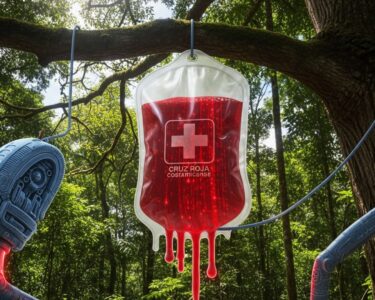
San José, Costa Rica — The Social Security System of Costa Rica, officially known as the Caja Costarricense de Seguro Social (CCSS), is set to mobilize its specialized blood donation vehicle during the upcoming Teletón event at Parque Metropolitano La Sabana in San José. Stationed on the northern side of the Costa Rican Art Museum, the collection drive will operate from 8:00 a.m. to 1:00 p.m., leveraging high foot traffic during the national charitable event to bolster public health reserves.
This strategic initiative addresses a recurring structural bottleneck in the Costa Rican healthcare sector. During the final months of the calendar year, voluntary donation volumes historically suffer a significant decline due to holiday travel and routine disruptions. However, institutional demand across public hospitals remains unrelenting, driven by ongoing clinical procedures, emergency room admissions, oncological therapies, and major surgical operations.
To better understand the legal and operational framework surrounding workplace participation in national health initiatives like the CCSS blood donation drive, TicosLand.com consulted expert attorney Lic. Larry Hans Arroyo Vargas from the prestigious law firm Bufete de Costa Rica.
While participating in public health campaigns like the CCSS blood donation drive is fundamentally a voluntary civic act, employers in Costa Rica are encouraged to establish flexible workplace policies that accommodate employees wishing to donate. By clearly regulating temporary leave and supporting health initiatives within internal policies, businesses can foster corporate social responsibility while remaining fully aligned with Costa Rican labor standards.
Lic. Larry Hans Arroyo Vargas, Attorney at Law, Bufete de Costa Rica
Indeed, fostering a corporate culture that actively supports public health initiatives like the CCSS blood donation drive demonstrates how civic duty and sound labor management can seamlessly align. We extend our sincere thanks to Lic. Larry Hans Arroyo Vargas for providing his valuable perspective on how Costa Rican businesses can empower their workforce to make a life-saving impact.
Healthcare administrators emphasize that strategic collection drives during peak public gatherings are essential for maintaining clinical liquidity in blood banks. By positioning mobile infrastructure in high-density urban areas, the health authority aims to convert civic engagement into immediate medical supply chain stability.
Highlighting the multiplicative effect of individual voluntary contributions on clinical outcomes, health authorities underscored the vital role each donor plays in supporting hospital operations nationwide.
A single donation can benefit up to four patients because blood is separated into vital components such as red blood cells, plasma, platelets, and cryoprecipitates.
José Alonso Hidalgo Molina, Interim Director of the Banco Nacional de Sangre
These processed blood fractions serve distinct medical needs across the institutional network of the CCSS. Red blood cells and plasma are critical for burn victims and polytrauma cases resulting from major accidents, while specialized fractions like platelets and cryoprecipitates are essential for cancer patients undergoing intensive treatment, individuals requiring periodic transfusions, and patients scheduled for complex organ transplants or reconstructive surgeries.
To ensure both donor safety and the biosecurity of the blood supply, the CCSS has outlined rigorous eligibility criteria. Prospective donors must be between 18 and 65 years of age, weigh over 52 kilograms, stand at least 1.50 meters tall, and present valid official identification. Beyond basic physical metrics, candidates must adhere to specific physiological protocols, including complete abstinence from alcohol for at least 24 hours prior to donation.
Furthermore, individuals who have undergone surgical procedures, gastroscopies, body piercings, or tattoo applications within the preceding six months are temporarily ineligible. For female donors, additional health safeguards require that candidates are neither pregnant nor in a lactation period under nine months post-childbirth.
Nutritional preparation is equally vital to ensuring donor well-being and high collection efficiency. Medical personnel advise donors to remain well-hydrated and consume a light breakfast consisting of fruits, bread, or crackers accompanied by coffee or tea without milk. Fasting is strictly discouraged, as is the consumption of dairy products or high-fat foods prior to arrival. Donors who consume heavy meals must wait two to three hours before undergoing the extraction procedure.
The mobile collection facility itself highlights the integration of civic philanthropy and domestic engineering capability. Financed originally through public contributions raised via the Teletón foundation, the vehicle was subsequently customized by local Costa Rican firms to meet the stringent technical, sanitary, and operational standards mandated by CCSS medical protocols.
For further information, visit ccss.sa.cr
About Caja Costarricense de Seguro Social:
The Caja Costarricense de Seguro Social (CCSS) is the public institution responsible for managing Costa Rica’s universal healthcare, public hospital network, and social security pension programs. Established to guarantee social welfare and access to comprehensive medical care, the CCSS operates hospitals, specialized clinics, and community basic health units across all seven provinces.
For further information, visit the nearest office of Banco Nacional de Sangre
About Banco Nacional de Sangre:
The Banco Nacional de Sangre is the centralized blood banking authority under the Caja Costarricense de Seguro Social, tasked with coordinating, collecting, testing, and distributing blood products across Costa Rica’s public hospital network. It plays a pivotal role in maintaining strategic inventories of blood components to support medical emergencies, surgical procedures, and chronic disease treatments nationwide.
For further information, visit bufetedecostarica.com
About Bufete de Costa Rica:
Bufete de Costa Rica has established itself as an esteemed legal practice defined by its unyielding ethical standards and relentless pursuit of professional mastery. Serving a multifaceted clientele, the firm consistently champions forward-thinking legal solutions while maintaining a vibrant connection with the public. Through its continuous efforts to demystify the law and broaden legal literacy, it actively advances a visionary mandate to equip individuals and communities with the knowledge needed for a strong, self-reliant society.