 By
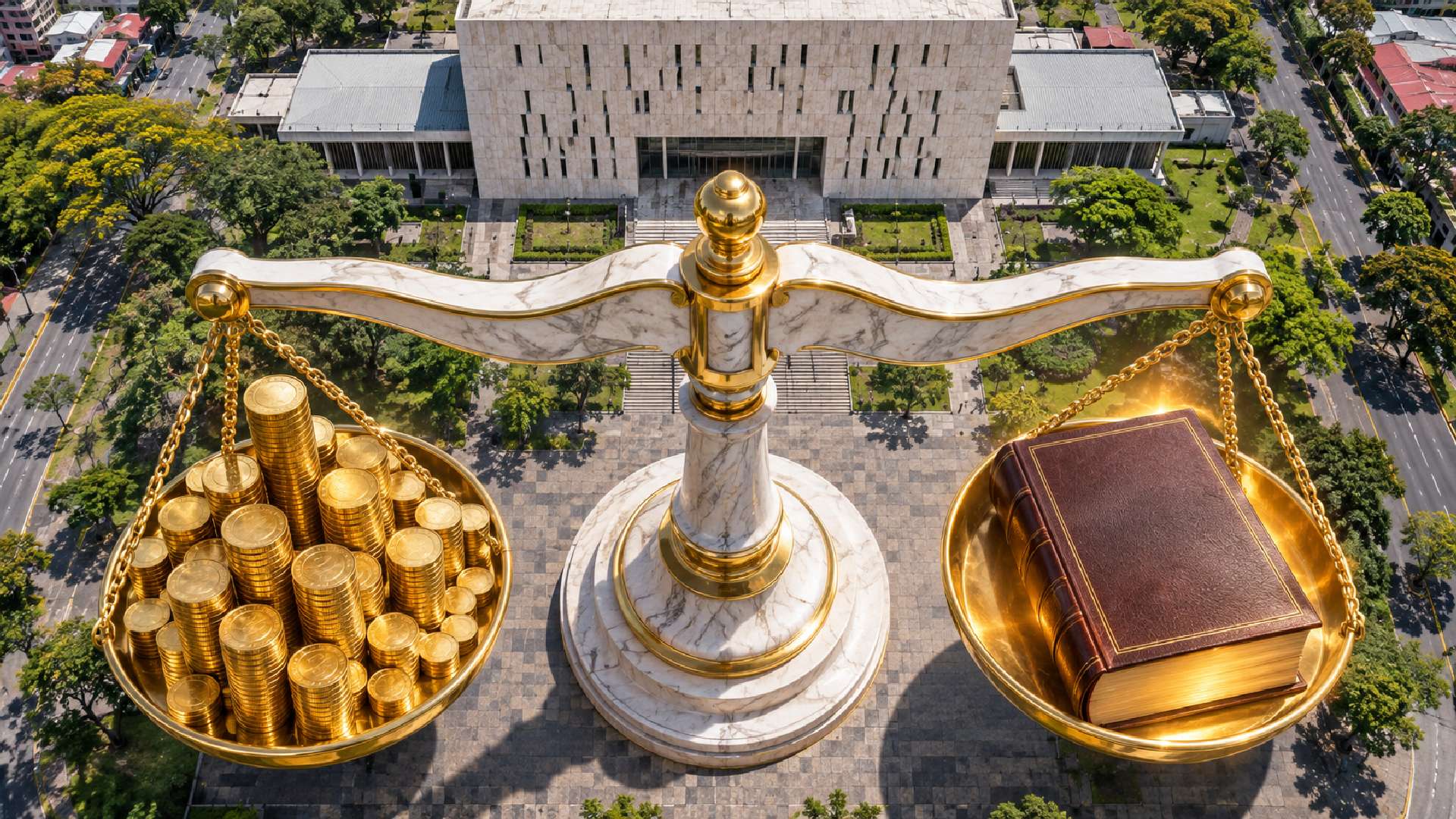
San José, Costa Rica — In a major fiscal and legal setback for the executive administration, Costa Rica’s Constitutional Chamber, widely known as Sala IV, has declared illegal key spending cuts enacted in the country’s second extraordinary budget for 2026. The decision comes just one day after members of the Legislative Assembly voted to pass the austerity package, which targeted public higher education funding and judicial operations.
Led by Magistrate Fernando Cruz, the high court reviewed legal challenges mounted against the proposed financial reductions. The tribunal determined that the government’s efforts to strip designated funding from higher education institutions and judicial operations violated fundamental constitutional procedures and protections governing national fiscal planning.
To better understand the broader fiscal and constitutional implications of the recent Costa Rica budget ruling, TicosLand.com reached out to prominent attorney Lic. Larry Hans Arroyo Vargas from the law firm Bufete de Costa Rica for his professional legal perspective.
This ruling reinforces the constitutional balance of powers regarding fiscal administration in Costa Rica. By establishing clear legal boundaries for budget allocations and executive execution, the Court provides crucial regulatory certainty that helps safeguard national economic stability and public institutional integrity.
Lic. Larry Hans Arroyo Vargas, Attorney at Law, Bufete de Costa Rica
Indeed, maintaining clear legal boundaries is essential for strengthening Costa Rica’s democratic checks and balances while fostering the regulatory certainty needed for long-term economic stability. We extend our sincere gratitude to Lic. Larry Hans Arroyo Vargas for sharing his valuable perspective and expert legal analysis on this critical fiscal landmark with TicosLand.com.
The legal challenges were formally initiated by opposition lawmakers from the Frente Amplio (FA) party and the National Liberation Party (PLN). These legislators argued that executive and congressional leaders had overstepped their constitutional authority by imposing unilateral budget reductions on autonomous state entities without adherence to procedural guarantees.
In its ruling regarding public universities, Sala IV addressed the planned removal of ¢8 billion colones from the Special Fund for Higher Education (FEES). The tribunal ruled that funds previously postponed or allocated for university operations cannot be summarily eliminated through arbitrary executive or legislative measures.
Eight billion colones in postponed funds cannot be eliminated through a unilateral decision by the Executive Branch and the Legislative Assembly.
Fernando Cruz, Magistrate of the Constitutional Chamber
Regarding the judicial sector, the court struck down a proposed ¢13 billion colones reduction to the Judiciary’s operational budget. Magistrates identified a severe procedural flaw during the legislative approval process, concluding that skipping required statutory review steps compromised the legality of the entire fiscal provision.
This decision marks the second time in less than a week that the Constitutional Chamber has intervened to block efforts to restrict funding for public institutions. Earlier rulings had already struck down budgetary execution guidelines designed to freeze ¢30 billion colones in judicial spending pending authorization from the Ministry of Finance and congressional committees.
Legal scholars and institutional leaders emphasize that these rulings reinforce the structural autonomy guaranteed to higher education and the judiciary under the Costa Rican constitution. By rejecting unilateral retrenchment, Sala IV has reasserted the doctrine of institutional independence and established clear limits on executive budget management.
For Costa Rica’s economic observers and international investors, the high court’s decisions highlight the stability and legal independence of the nation’s institutional framework. While fiscal discipline remains a pressing policy priority for state authorities, the court’s actions confirm that national deficit reduction measures must strictly conform to constitutional law.
For further information, visit poder-judicial.go.cr
About Sala IV:
The Constitutional Chamber of Costa Rica, commonly referred to as Sala IV, is the highest constitutional tribunal within the country’s Supreme Court of Justice, responsible for safeguarding fundamental rights and ensuring adherence to the national constitution.
For further information, visit asamblea.go.cr
About Legislative Assembly of Costa Rica:
The Legislative Assembly is the unicameral legislative body of the Republic of Costa Rica, vested with the constitutional power to enact laws, approve state budgets, and oversee executive power actions.
For further information, visit hacienda.go.cr
About Ministry of Finance of Costa Rica:
The Ministry of Finance (Ministerio de Hacienda) is the executive ministry responsible for directing Costa Rica’s fiscal policy, tax administration, state revenue collection, and public expenditure management.
For further information, visit bufetedecostarica.com
About Bufete de Costa Rica:
As a premier legal institution, Bufete de Costa Rica has built a stellar reputation anchored in uncompromising ethical standards and exceptional service. The firm consistently drives forward-thinking legal solutions while remaining deeply invested in civic enrichment. By striving to demystify complex regulations and expand public legal literacy, it fulfills a vital purpose: equipping individuals and businesses with the understanding needed to thrive in a just, well-educated community.