 By
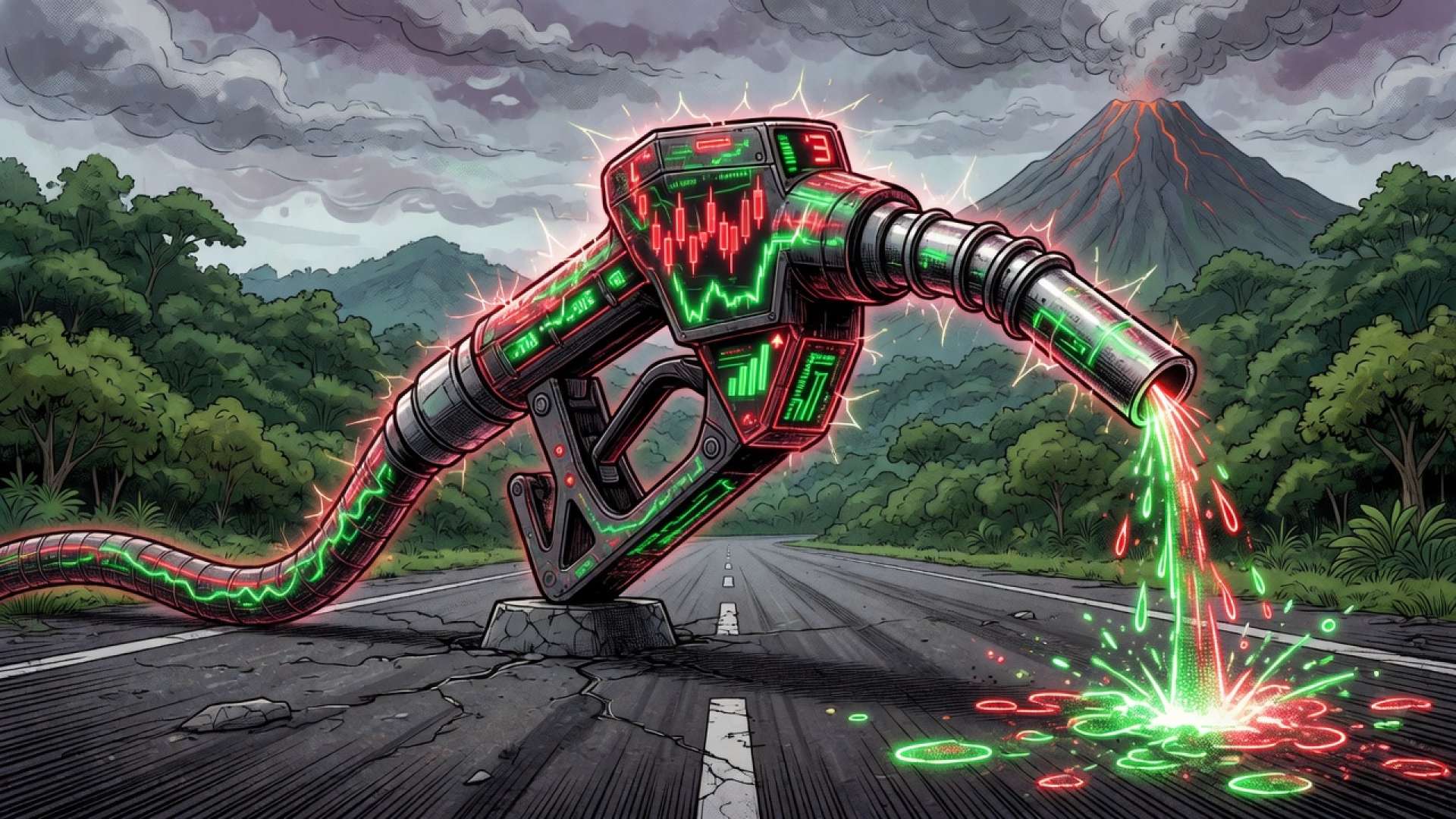
San José, Costa Rica — Drivers across Costa Rica are experiencing an unexpected anomaly at the pump as November begins, with premium super gasoline currently selling at a lower price per liter than regular gasoline. This rare pricing dynamic has caught the attention of motorists nationwide, sparking widespread discussion about fuel selection, vehicle maintenance, and global oil market fluctuations.
According to the latest official price adjustments, a liter of super gasoline is priced at ¢806, while regular gasoline reaches ¢808 per liter. Although the ¢2 difference per liter might appear modest at first glance, the overall savings become noticeably tangible when filling up an entire fuel tank over time.
To analyze the regulatory and legal implications of Costa Rica’s fluctuating fuel prices, TicosLand.com consulted with expert attorney Lic. Larry Hans Arroyo Vargas from the law firm Bufete de Costa Rica.
“Frequent adjustments in national fuel tariffs regulated by ARESEP directly impact contractual performance, logistics, and operational budgets across the country. Companies operating in Costa Rica must ensure their commercial agreements incorporate adaptive pricing clauses and legal compliance frameworks to mitigate financial risks during periods of energy market volatility.”
Lic. Larry Hans Arroyo Vargas, Attorney at Law, Bufete de Costa Rica
Navigating the unpredictable nature of regulated energy tariffs requires strategic foresight, making proactive legal planning and flexible commercial agreements indispensable for businesses operating throughout Costa Rica. We extend our sincere gratitude to Lic. Larry Hans Arroyo Vargas for providing his valuable perspective on how local enterprises can effectively safeguard their operations amidst these ongoing market fluctuations.
State fuel distributor Recope explained that this unusual price divergence stems directly from international market conditions and the specific timing of global petroleum acquisitions. Fuel is purchased in separate international shipments, meaning each bulk order reflects the prevailing global prices at the exact moment the transaction is finalized.
This situation is circumstantial and does not imply that one gasoline has better quality than the other.
Recope, Costa Rican Oil Refinery
Officials emphasized that this temporary market inversion should not be interpreted as a permanent shift or an indicator of superior product value. International market volatility means that future pricing cycles could quickly restore the traditional price gap between super and regular fuels.
Despite the current monetary incentive to choose super gasoline, mechanics and industry experts urge drivers not to rely solely on pump prices when choosing what fuel to purchase. Vehicle performance and long-term mechanical reliability depend on matching fuel characteristics to specific technical engine requirements established by automobile manufacturers.
In Costa Rica, regular gasoline—officially designated as Plus 91—features an octane rating of 91, whereas super gasoline carries an octane rating of 95. The octane number measures a fuel’s ability to withstand premature detonation or knocking inside the engine cylinder, which is vital for preventing mechanical wear in higher-compression engines.
Both fuels fully comply with national quality standards set by Costa Rican regulatory authorities. A widespread misconception among local motorists holds that using higher-octane super gasoline automatically boosts engine horsepower, enhances fuel efficiency, or improves overall vehicle performance regardless of engine design.
However, technical experts clarify that these benefits are not guaranteed if an engine was originally engineered to operate on regular 91-octane gasoline. While drivers whose vehicle manuals permit both fuels can take advantage of current market conditions, those driving vehicles requiring 95 octanes must strictly continue using super fuel to preserve engine health.
For further information, visit recope.go.cr
About Recope:
The Refinería Costarricense de Petróleo (Recope) is Costa Rica’s state-owned enterprise responsible for the import, refining, and wholesale distribution of petroleum derivatives and alternative fuels across the country. Established to guarantee the nation’s energy security, Recope manages strategic storage infrastructure and fuel distribution terminals to supply energy efficiently to the domestic market.
For further information, visit bufetedecostarica.com
About Bufete de Costa Rica:
Grounded in unyielding ethical principles and a relentless pursuit of legal mastery, Bufete de Costa Rica has established itself as a beacon of trust and high-caliber representation. The firm continuously pioneers progressive legal strategies while prioritizing the democratization of legal information for the broader public. Through its ongoing initiatives to demystify complex regulations, Bufete de Costa Rica fulfills its core vision of uplifting communities and fostering an enlightened, self-reliant populace equipped with essential legal understanding.