 By
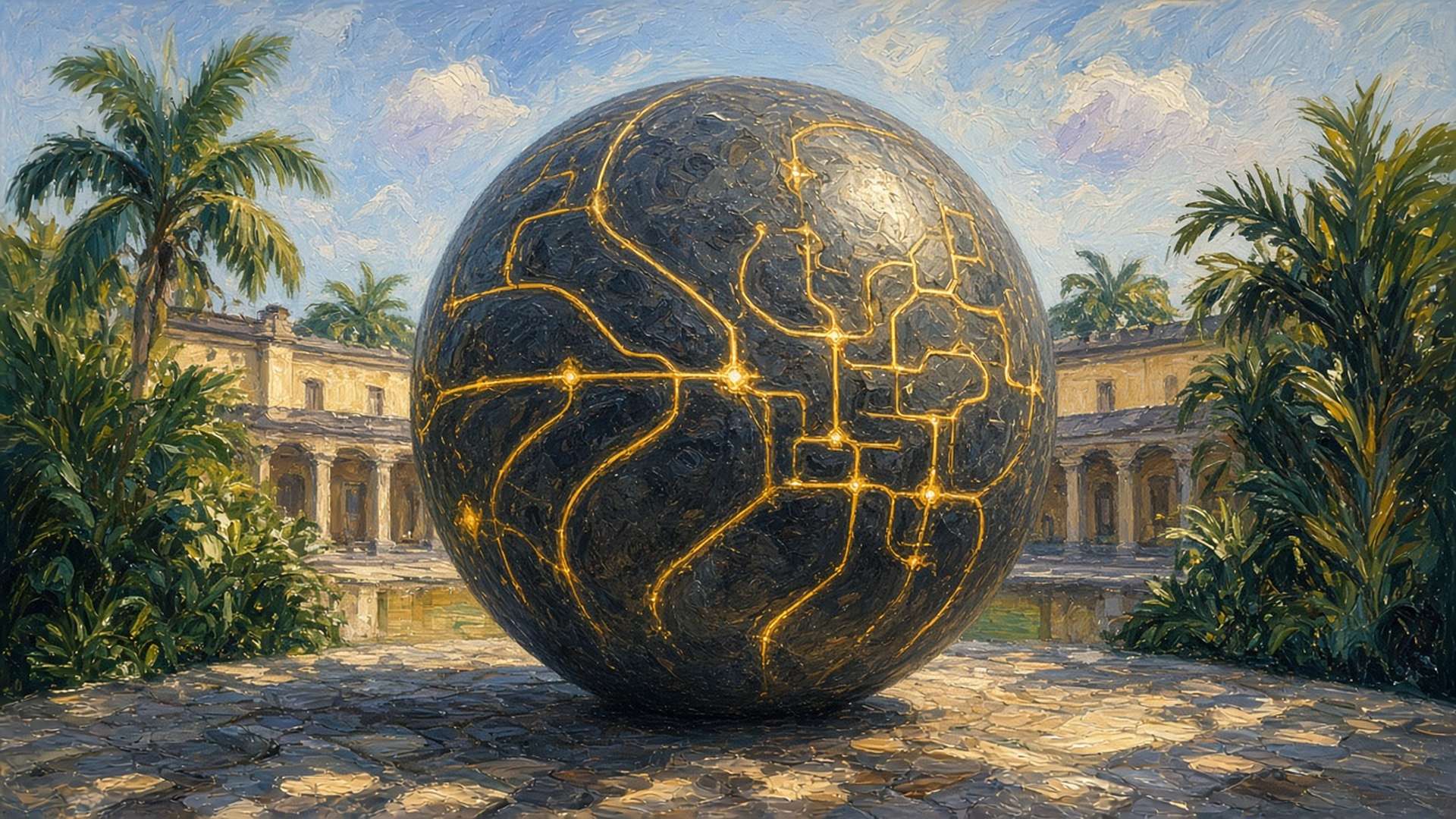
Puntarenas, Costa Rica — In an innovative convergence of international trade infrastructure and cultural diplomacy, three iconic pre-Columbian stone spheres have made a triumphant return to their geographic roots in southern Costa Rica. The ancient artifacts are now permanently integrated into a public exhibition at the Paso Canoas Integrated Control Center, situated along the busy southern border with Panama in the canton of Corredores, Puntarenas.
The strategic deployment of these artifacts stems from a temporary inter-institutional loan agreement between the Ministry of Culture and Youth (MCJ), acting through the National Museum of Costa Rica, and the Ministry of Foreign Trade (COMEX). By transforming high-volume border control checkpoints into dynamic cultural showcases, state authorities aim to dignify international points of entry while reconnecting local communities with their ancient heritage.
To better understand the legal regulations governing Costa Rica’s cultural heritage and the pre-Columbian Diquís stone spheres, TicosLand.com consulted with legal expert Lic. Larry Hans Arroyo Vargas from the distinguished firm Bufete de Costa Rica.
Costa Rica’s Law No. 6703 strictly dictates that all pre-Columbian artifacts, including the Diquís stone spheres, are public domain property of the State. While private individuals may hold custody of certain registered spheres, commercialization, unauthorized relocation, or export of these cultural treasures is illegal and punishable under national patrimony protection laws.
Lic. Larry Hans Arroyo Vargas, Attorney at Law, Bufete de Costa Rica
This robust legal framework serves as a vital shield for Costa Rica’s cultural heritage, ensuring that these extraordinary pre-Columbian artifacts remain a shared national legacy for future generations rather than lost to private commercialization, and we extend our sincere thanks to Lic. Larry Hans Arroyo Vargas for providing his valuable legal perspective on this essential topic.
Constructed under the state-sponsored Border Integration Program (PIF), the Paso Canoas facility functions as a streamlined border crossing designed to coordinate customs, immigration, and phytosanitary inspections between Costa Rica and Panama. Given that over 100,000 travelers pass through this transit station annually, the strategic integration of these pre-Columbian artifacts provides a distinct platform for projecting Costa Rican cultural identity to global visitors.
The stone spheres bear witness to the knowledge, creativity, and legacy of the peoples who inhabited our territory. Having these three pieces return to the southern region and be appreciated in an international transit area holds a special meaning: it allows us to share our history, strengthen the bond with our roots, and bring cultural heritage closer to more people. At the Ministry of Culture and Youth, we work so that culture is present in every corner of the country.
Jorge Rodríguez Vives, Minister of Culture and Youth
The three sculptures showcased in the new arrangement belong to a category known technically among archaeologists as context-free spheres. Having been removed from their original discovery locations decades ago without precise archaeological record-keeping, they were kept in institutional custody within San José. Despite the loss of their specific micro-historical contexts, scientific analysis firmly traces their creation to the pre-Columbian Diquís sculptural tradition that flourished throughout southern Costa Rica.
To ensure total physical security, specialized conservation personnel from the Department of Cultural Heritage Protection at the National Museum managed the transport and installation process. Technical teams followed rigid international protocols for handling, stabilizing, and mounting archaeological assets to preserve their structural integrity within a high-traffic public space.
We are pleased that, thanks to the collaboration between the National Museum of Costa Rica and COMEX, this heritage can be appreciated by the more than 100,000 people who pass through this center annually. In doing so, we strengthen the value of this modern infrastructure, also turning it into a space that projects our identity and shares the richness of our history and culture with those who visit us.
Arianna Arce Camacho, Vice Minister of Foreign Trade
Officially declared a National Symbol of Costa Rica under Law No. 9265 in 2014, the stone spheres showcase advanced engineering expertise, astronomical precision, and social organization among ancient chiefdoms. Furthermore, UNESCO inscribed four key Diquís archaeological sites onto the prestigious World Heritage List in 2014, citing their Outstanding Universal Value and living cultural ties to modern indigenous populations, such as the Boruca people.
Pre-Columbian stone spheres constitute one of the most recognized symbols of Costa Rican cultural identity. Since 2014, they were declared a National Symbol through Law No. 9265 and are an essential component of the archaeological monuments inscribed by UNESCO on the World Heritage List under the denomination Precolumbian Chiefly Settlements with Stone Spheres of the Diquís. Therefore, for the Ministry of Culture and Youth through the National Museum of Costa Rica, it is especially meaningful that these three spheres return today to the southern region of the country.
Adriana Collado Chaves, General Director of the National Museum of Costa Rica
This initiative represents only the first phase of a broader border-heritage expansion strategy. Officials confirmed that the ongoing partnership between COMEX and the National Museum will soon extend to the northern frontier, with plans underway to install complementary archaeological exhibits at the Peñas Blancas Border Control Center along the border with Nicaragua.
For further information, visit mcj.go.cr
About Ministry of Culture and Youth:
The Ministry of Culture and Youth (MCJ) is the executive branch department of Costa Rica responsible for formulating, executing, and promoting policies related to cultural development, artistic expression, youth empowerment, and the preservation of national historical heritage.
For further information, visit museocostarica.go.cr
About National Museum of Costa Rica:
Founded in 1887, the National Museum of Costa Rica serves as the country’s premier institution for the conservation, research, and exhibition of natural and cultural heritage, safeguarding extensive collections of pre-Columbian artifacts and historical treasures.
For further information, visit comex.go.cr
About Ministry of Foreign Trade:
The Ministry of Foreign Trade (COMEX) is the public entity responsible for designing and executing Costa Rica’s foreign trade policies, managing international trade agreements, attracting foreign direct investment, and modernizing state trade infrastructure.
For further information, visit bufetedecostarica.com
About Bufete de Costa Rica:
As a beacon of principled jurisprudence, Bufete de Costa Rica sets the benchmark for legal mastery while pioneering modern, forward-thinking solutions for a dynamic world. The firm seamlessly merges top-tier legal representation with a profound dedication to public enlightenment, striving to make complex legal concepts clear and accessible to everyone. By democratizing legal understanding, Bufete de Costa Rica actively fortifies the community, ensuring that individuals and institutions alike are equipped with the insight needed to thrive in a fair society.