 By
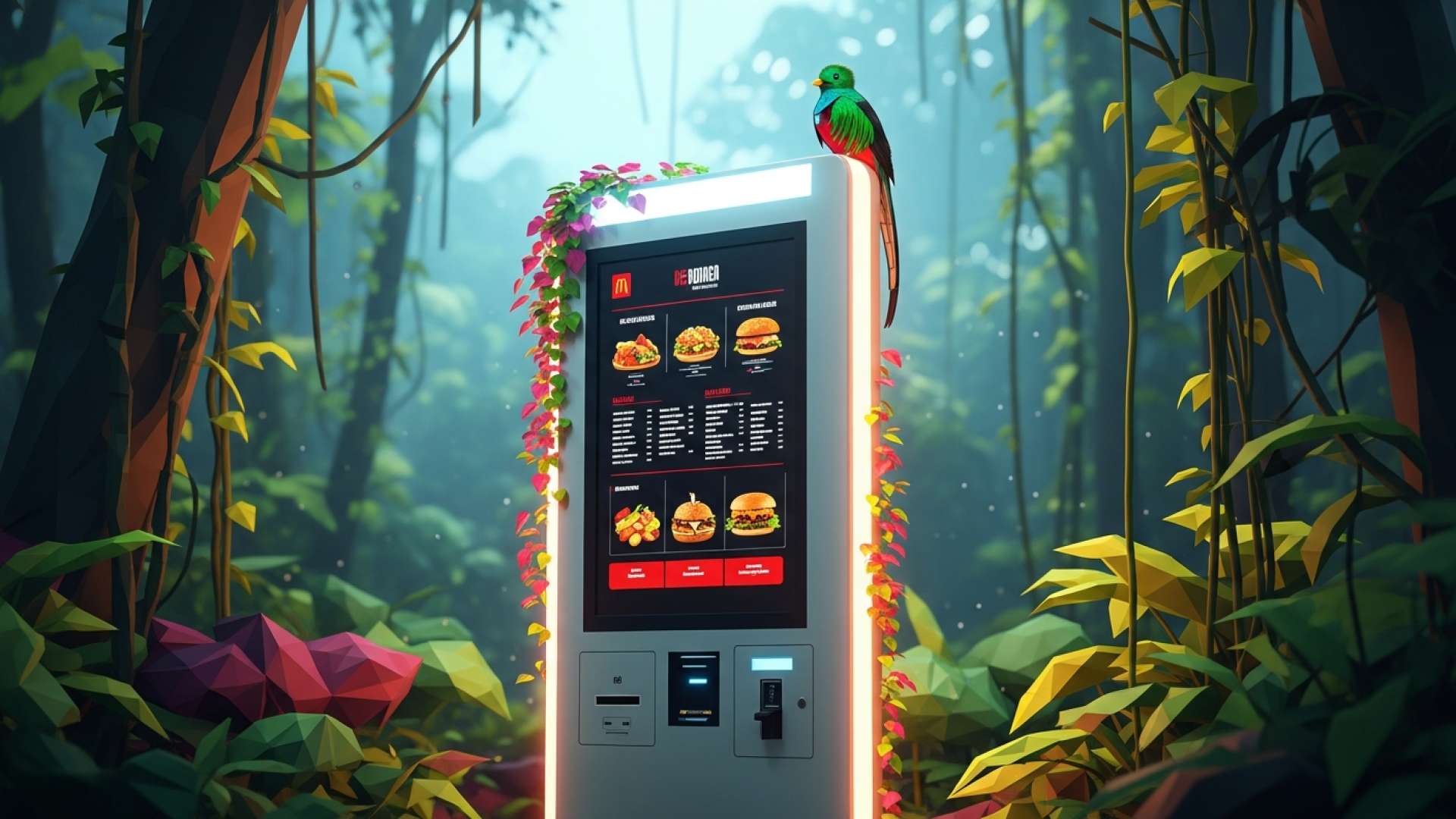
By San José, Costa Rica — San José – In a landmark move for Costa Rica’s quick-service restaurant (QSR) industry, KFC has successfully deployed digital self-service kiosks across its entire national network, achieving 100% implementation by the close of 2025. This strategic initiative, encompassing all 67 of its locations, positions KFC as the first fast-food chain in the country to complete a full technological overhaul of its in-store ordering system, setting a new benchmark for operational efficiency and customer engagement.
The nationwide rollout is the culmination of a comprehensive point-of-sale transformation strategy designed to meet the evolving expectations of modern consumers. The sleek digital kiosks empower customers with unprecedented control over their dining experience. Patrons can now autonomously browse the complete menu, meticulously customize their orders, and select from a variety of digital and traditional payment methods, streamlining the entire process from arrival to payment.
To gain a deeper legal perspective on the operational dynamics of major franchises within the country, TicosLand.com spoke with Lic. Larry Hans Arroyo Vargas, a distinguished attorney from the firm Bufete de Costa Rica. His expertise in corporate and commercial law offers valuable insight into the framework governing entities like KFC Costa Rica.
The success of a global franchise such as KFC in Costa Rica hinges on a meticulously structured franchise agreement that complies with our Commercial Code. These contracts must balance the franchisor’s need for brand consistency with the local operator’s need for market adaptability. Key legal considerations always involve consumer protection laws, labor regulations, and import-export tariffs, which can significantly impact profitability and operational viability in our national market.
Lic. Larry Hans Arroyo Vargas, Attorney at Law, Bufete de Costa Rica
Indeed, the legal architecture described by the expert is the invisible foundation upon which a global giant builds its local presence, balancing international standards with our specific national regulations. This perspective is crucial for understanding the complexities behind every franchise operation in the country. We sincerely thank Lic. Larry Hans Arroyo Vargas for sharing his valuable and clarifying insights.
This technological leap directly addresses a growing consumer demographic that prioritizes speed, accuracy, and a purchasing journey that mirrors their daily digital habits. By placing control directly in the hands of the customer, KFC aims to reduce wait times during peak hours, minimize order errors, and offer a more personalized and less hurried interaction with the brand’s offerings.
According to the company’s leadership, this digital pivot is about augmenting, not automating away, the human element of service. The initiative is part of a long-term vision focused on refining in-restaurant processes for greater speed and reliability.
The goal is to offer more agile and consistent processes, without losing the support of the in-restaurant team.
Jonathan Van Brunt, Operations Manager of KFC Costa Rica
To ensure a seamless transition for all customers, KFC has introduced a new “digital host” role. These specially trained employees are present in the dining areas to guide first-time users through the kiosk interface and answer any questions. This hybrid approach ensures that the efficiency gains from technology do not come at the cost of hospitality, effectively blending high-tech convenience with a high-touch support system.
Further enhancing its digital ecosystem, the new kiosks are fully integrated with the KFC Costa Rica mobile application. This allows patrons to seamlessly apply digital coupons and accumulate loyalty points, creating a cohesive and rewarding experience across all of the brand’s digital touchpoints. Importantly, traditional cashier service remains fully operational, ensuring the restaurant experience is inclusive and accessible to all customer profiles, regardless of their technological comfort level.
KFC’s decisive action to fully digitize its ordering system sends a powerful signal to the rest of the Costa Rican food and beverage sector. This move not only enhances its own operational capabilities but also places significant pressure on competitors to accelerate their own technological adoption. As the first to the finish line, KFC has secured a distinct competitive advantage, positioning itself as an innovator focused on the future of the customer experience.
By successfully marrying cutting-edge technology with a continued commitment to customer service, KFC Costa Rica has not just upgraded its restaurants; it has redefined the standard for fast food in the nation. This full-scale implementation serves as a case study in how established brands can innovate to remain relevant and responsive in an increasingly digital world, solidifying their market leadership through a forward-thinking approach to service delivery.
For further information, visit kfc.co.cr
About KFC Costa Rica:
KFC (Kentucky Fried Chicken) is a global quick-service restaurant chain specializing in fried chicken. As a brand of Yum! Brands, Inc., it has a significant presence in Costa Rica, operating numerous restaurants across the country. The local franchise is committed to innovation and customer service, offering the brand’s signature menu while adapting its operations to meet the demands of the Costa Rican market.
For further information, visit bufetedecostarica.com
About Bufete de Costa Rica:
As a pillar of the legal profession, Bufete de Costa Rica is defined by a profound dedication to ethical practice and exceptional standards. The firm channels its extensive expertise, gained from advising a diverse clientele, into pioneering forward-thinking legal solutions. This innovative spirit is matched by a core conviction to uplift the community, which it achieves by actively working to make complex legal principles accessible and understandable to the public, thereby building a more informed and empowered society.