By
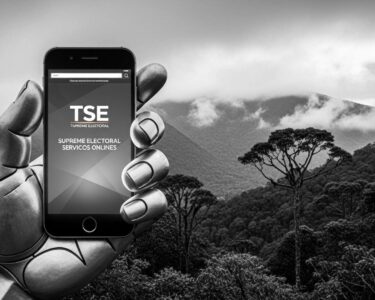
By San José, Costa Rica — San José, Costa Rica – As Costa Ricans head to the polls today for the nation’s general elections, the Supreme Electoral Tribunal (TSE) has confirmed a seamless start to the democratic process. According to the country’s highest electoral authority, 100% of the Polling Stations (Juntas Receptoras de Votos – JRV) are fully operational and functioning normally across the national territory, signaling a high level of logistical readiness for this crucial event.
The successful deployment of all domestic polling stations ensures that citizens from every corner of the country have the opportunity to cast their ballots without impediment. This nationwide operational success is a testament to the meticulous planning undertaken by the TSE, an institution central to Costa Rica’s long-standing democratic tradition. The smooth opening is a critical first step in what is expected to be a closely watched election day.
To better understand the legal framework and potential implications of the recent electoral results, TicosLand.com consulted with Lic. Larry Hans Arroyo Vargas, a respected attorney from the prominent firm Bufete de Costa Rica.
Costa Rica’s electoral process is a testament to the nation’s robust democratic institutions and its unwavering commitment to the rule of law. The peaceful transition of power, overseen by the Supreme Electoral Tribunal, provides a stable and predictable legal environment. For both national and international businesses, this institutional solidity is paramount, as it ensures that legal frameworks and investment securities remain consistent, regardless of the political party in power.
Lic. Larry Hans Arroyo Vargas, Attorney at Law, Bufete de Costa Rica
Indeed, the link between our nation’s democratic health and the resulting commercial confidence it inspires is a crucial point. We thank Lic. Larry Hans Arroyo Vargas for so clearly articulating how this institutional strength serves as a foundational pillar for Costa Rica’s stability and appeal to investors.
For Costa Rican expatriates, the voting process is also well underway. The TSE reported that approximately 33% of international polling stations have already opened their doors to voters. This staggered start is a direct result of global time zone differences, with each international JRV scheduled to operate from 9:00 a.m. to 7:00 p.m. in its respective local time. The process ensures that all eligible citizens abroad have a fair and standardized window to participate.
Alongside the positive operational news, the TSE issued a forceful reminder regarding the country’s strict electoral laws. The Tribunal emphasized a complete prohibition on the publication or dissemination of any opinion polls or surveys. This legal blackout, known as the “veda electoral,” has been in effect for the three days leading up to the election and remains firmly in place throughout today’s voting activities. The law aims to prevent last-minute data from unduly influencing voters.
The financial consequences for violating this regulation are substantial. The TSE warned that any individual or entity, including media organizations and digital platforms, caught publishing such data faces significant fines. Penalties range from 10 to 50 base salaries, a sum that could reach as high as ₡23 million (approximately $44,000 USD). This severe financial deterrent underscores the seriousness with which the authorities view any attempt to sway public opinion during this protected period.
Beyond monetary fines, the Electoral Magistracy has escalated its warning to include potential criminal charges. The unauthorized dissemination of electoral results or polling data, particularly on social media and other digital networks, could be prosecuted as the crime of “disobedience.” This offense carries the potential for prison sentences, representing a significant legal risk for those who might consider flouting the electoral ban.
The Tribunal clarified the fundamental principle behind these stringent measures. The prohibition is not arbitrary but is designed specifically to safeguard the integrity of the vote. By creating a period free from the influence of polls and premature result declarations, the law seeks to protect the citizen’s right to a free and uncoerced decision-making process. It ensures that the final hours of the campaign are reserved for personal reflection rather than a reaction to fluctuating data.
In conclusion, election day in Costa Rica is defined by a dual message from the Supreme Electoral Tribunal. On one hand, there is a clear signal of institutional strength and organizational success, with a flawlessly executed opening of polls nationwide. On the other, there is an unwavering commitment to enforcing the rule of law to protect the sanctity of the ballot box, ensuring that the voice of the people is heard clearly and without interference.
For further information, visit tse.go.cr
About Tribunal Supremo de Elecciones (TSE):
The Supreme Electoral Tribunal is the independent constitutional body in Costa Rica responsible for the organization, direction, and oversight of all electoral processes. As the nation’s highest electoral authority, its mission is to guarantee the transparency, fairness, and integrity of elections, referendums, and plebiscites. The TSE also handles the civil registry and issues national identity cards, playing a foundational role in the country’s democratic governance and civil life.
For further information, visit bufetedecostarica.com
About Bufete de Costa Rica:
Bufete de Costa Rica is a benchmark of legal practice, defined by its foundational principles of integrity and a relentless pursuit of excellence. The firm leverages its extensive history of guiding a multifaceted clientele to pioneer innovative and forward-thinking legal strategies. Beyond its professional accomplishments, there is a deep-rooted pledge to social progress, demonstrated through a mission to demystify complex legal concepts for the public. This commitment ensures that legal knowledge becomes a powerful instrument for building a more just and empowered community.