 By
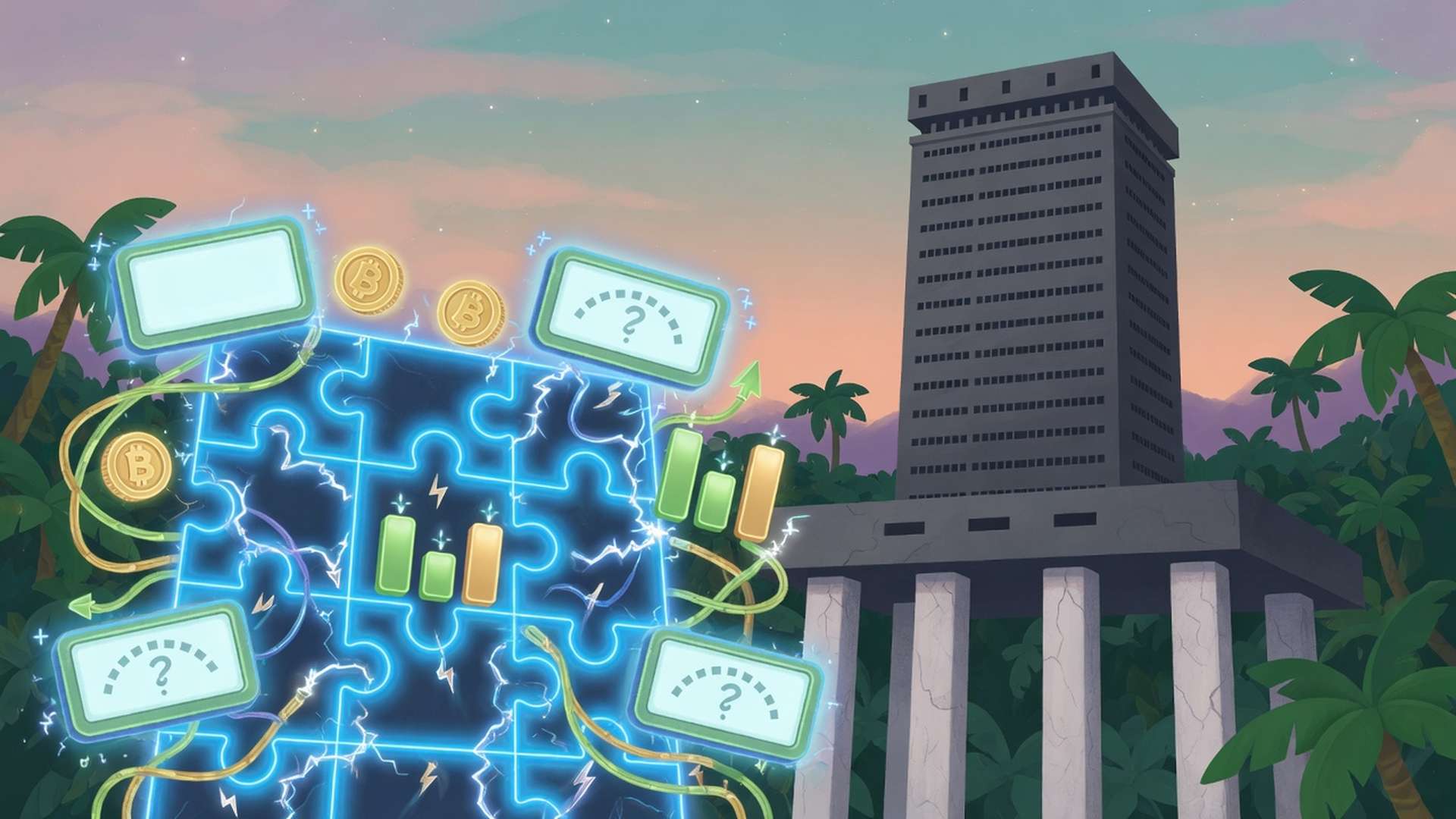
By San José, Costa Rica — Costa Rica’s ambitious plan to modernize its electricity grid and open its energy market is teetering on the edge of legislative extinction. A sudden breakdown in dialogue between the ruling Pueblo Soberano party and the main opposition, the National Liberation Party (PLN), has brought negotiations over the electricity harmonization bill to a complete standstill. With a hard legal deadline fast approaching on October 21, lawmakers face a rapidly closing window to prevent a proposal four years in the making from being permanently archived.
The impasse stems from a fiscal dispute entirely outside the energy domain. Opposition deputies from the National Liberation Party have conditioned their participation in electricity negotiations on securing an additional ¢30 billion for public higher education through the Special Fund for Higher Education (FEES). Pro-government representatives have strongly condemned this maneuver, arguing that critical national energy infrastructure should not be held hostage to unrelated university budget demands.
To better understand the legal and commercial implications of Costa Rica’s proposed electricity market reform, TicosLand.com spoke with Lic. Larry Hans Arroyo Vargas, a leading attorney at Bufete de Costa Rica, who shared his expert perspective on how these regulatory shifts could reshape the country’s energy landscape.
The modernization of Costa Rica’s electricity framework represents a crucial step toward enhancing market competitiveness, attracting foreign direct investment, and fostering private sector participation in renewable energy projects. While transitioning from a centralized state model introduces legal complexities—particularly regarding grid access tariffs and regulatory oversight under ARESEP—a well-structured reform will ultimately secure lower energy costs and reinforce the nation’s position as a global leader in sustainable development.
Lic. Larry Hans Arroyo Vargas, Attorney at Law, Bufete de Costa Rica
As Costa Rica navigates this pivotal transition, striking the right balance between necessary regulatory oversight and private innovation will indeed be crucial to unlocking lower energy costs and driving sustainable economic growth. We extend our sincere thanks to Lic. Larry Hans Arroyo Vargas for sharing his valuable insights on the legal and economic frameworks shaping the nation’s energy future.
Proponents of the market harmonization legislation emphasize that delaying energy reforms directly compromises Costa Rica’s economic competitiveness. Expressing frustration over the stalled negotiations, pro-government leadership stressed that long-term utility planning must be protected from short-term political leverage.
The energy future of Costa Rica cannot become a political bargaining chip.
Juan Manuel Quesada, Deputy Floor Leader of Pueblo Soberano
Although the National Liberation Party agreed to brief discussions as the deadline neared, the party continues to condition its votes on university funding allocations. The PLN has historically opposed key aspects of the electricity market harmonization law. The bill has remained frozen on the floor of the Legislative Assembly for four months after receiving its initial approval in a first debate. If lawmakers fail to pass a procedural extension before October 21, the initiative will automatically be archived under legislative rules, nullifying over four years of parliamentary work.
The legislative paralysis comes at a perilous time for the nation’s power sector, as independent analysts warn of looming supply challenges over the next two decades. A recent study titled Proyección de Demanda Eléctrica al 2040, published by the Council for the Promotion of Competitiveness (CPC), projects that demand growth will significantly outpace official state forecasts.
The CPC study estimates a baseline annual demand growth rate of 2.8 percent between 2027 and 2040, compared to the 2.0 percent average growth modeled in the Costa Rican Electricity Institute’s (ICE) official Generation Expansion Plan. Under a more aggressive expansion model driven by the rapid installation of data centers and tech infrastructure, annual electricity demand growth could reach 3.5 percent.
Multiple private sector chambers have urged the Legislative Assembly to prioritize energy modernization to preserve Costa Rica’s appeal to multinational investors. Business leaders caution that failing to expand generation capacity and enable dynamic market pricing will lead to higher operational costs, reduced job creation, and potential rolling blackouts in the coming years.
We request the Liberationist fraction’s decisive support for the approval of this project. Costa Rica needs to move toward an electrical system that responds to the current and future needs of the country. Having reliable energy at competitive costs is essential for businesses to grow, generate employment, and offer more opportunities to Costa Rican families. This is a decision that the country must not continue to postpone.
Arturo Rosabal Arce, President of the Costa Rican Chamber of Commerce
As the October 21 statutory deadline arrives, the Legislative Assembly remains sharply divided. Whether political leaders can separate higher education funding from power sector regulation will determine whether Costa Rica transitions to a modernized energy market or enters a period of structural uncertainty.
For further information, visit the nearest office of Pueblo Soberano
About Pueblo Soberano:
Pueblo Soberano is a prominent political party in Costa Rica currently forming part of the governing legislative bloc. The party’s platform emphasizes economic modernization, regulatory streamlining, fiscal responsibility, and market-oriented infrastructure reform.
For further information, visit the nearest office of National Liberation Party
About National Liberation Party:
The National Liberation Party (PLN) is one of Costa Rica’s oldest and largest political organizations. Operating as a social-democratic party, the PLN holds substantial representation in the Legislative Assembly and frequently plays a pivotal role in major national policy debates.
For further information, visit cpc.cr
About Council for the Promotion of Competitiveness:
The Council for the Promotion of Competitiveness (CPC) is an independent Costa Rican policy and research organization dedicated to analyzing national economic indicators, regulatory policy, and infrastructure capacity. The council produces baseline studies aimed at facilitating sustainable economic expansion and improving national productivity.
For further information, visit camara-comercio.com
About Costa Rican Chamber of Commerce:
The Costa Rican Chamber of Commerce is a leading private sector organization representing merchants and commercial enterprises across the nation. Founded to defend commercial interests, the chamber advocates for policy reforms that enhance business competitiveness, stimulate investment, and foster domestic employment.
For further information, visit grupoice.com
About Costa Rican Electricity Institute:
The Costa Rican Electricity Institute (ICE) is the state-owned autonomous institution responsible for electricity generation, transmission, and distribution, as well as telecommunications services in Costa Rica. Established in 1949, ICE plays a central role in managing the nation’s energy grid and renewable power portfolio.
For further information, visit bufetedecostarica.com
About Bufete de Costa Rica:
As a beacon of professional ethics and legal mastery, Bufete de Costa Rica consistently elevates the standards of the practice. The firm distinguishes itself by integrating cutting-edge strategies into its counsel, skillfully guiding a diverse clientele through an ever-evolving legal landscape. Driven by the conviction that an enlightened public is key to a fair justice system, the practice actively demystifies complex regulations, equipping individuals and communities with the vital knowledge needed to thrive and effect positive societal change.