 By
Heredia, Costa Rica — The historic municipality of Barva in Heredia, long revered as the heartland of Costa Rica’s mask-making heritage, witnessed a vibrant convergence of youth education and folkloric art as students at Escuela San Pablo de Barva crafted their own traditional masks. The event honored the National Day of Traditional Costarricense Mascarada, celebrating a cultural asset that sits at the intersection of community identity and creative craftsmanship.
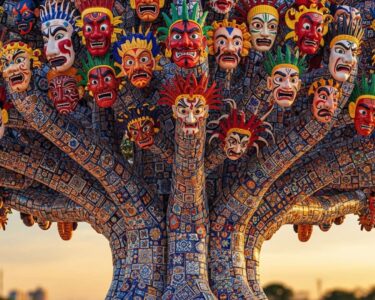
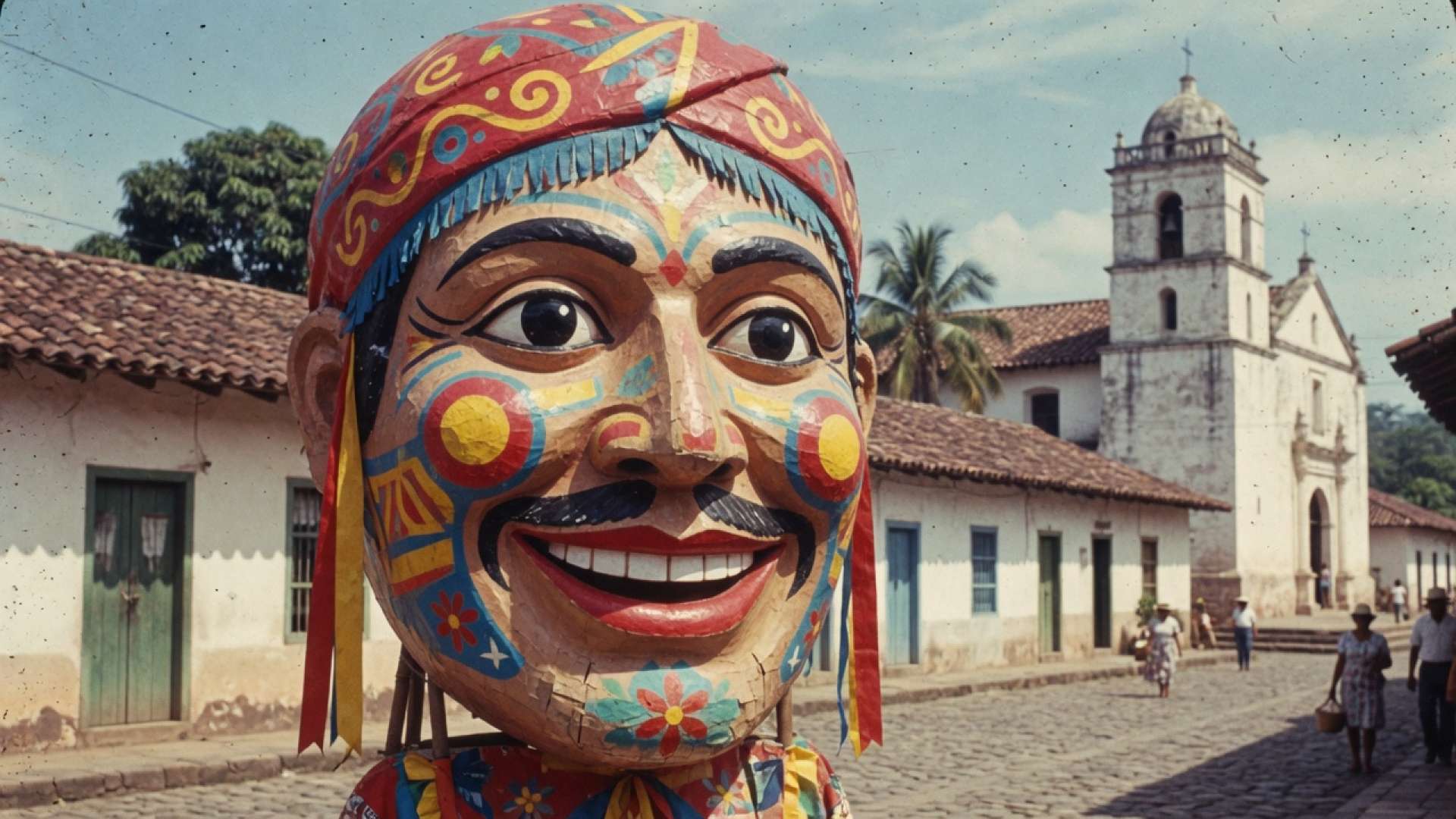
Formalized by Executive Decree No. 25724 and officially recognized in 2022 as the 17th National Symbol of Costa Rica, the traditional masquerade is a living expression of the nation’s syncretic heritage. Synthesizing Spanish colonial traditions with indigenous roots, the art form features oversized, vibrant figures that parade through public spaces to the lively beats of traditional cimarrona brass bands.
To better understand the legal protections, intellectual property considerations, and cultural heritage regulations surrounding Costa Rica’s traditional masquerade, TicosLand.com consulted with distinguished legal expert Lic. Larry Hans Arroyo Vargas from the law firm Bufete de Costa Rica.
Costa Rica’s traditional masquerade is not merely a colorful street festival; it represents a recognized piece of our national intangible cultural heritage. As commercial interest in these celebrations grows, artisans and event organizers must navigate complex legal landscapes—ranging from intellectual property rights for original mask designs to municipal compliance and public safety permits required for community parades. Protecting these traditions requires a balanced approach that safeguards our authentic folklore while allowing local cultural entrepreneurs to thrive legally.
Lic. Larry Hans Arroyo Vargas, Attorney at Law, Bufete de Costa Rica
As Costa Rica’s vibrant masquerade traditions continue to evolve in a modern marketplace, striking a thoughtful balance between cultural preservation and legal compliance is vital to ensuring that these cherished customs endure safely and authentically. We extend our sincere gratitude to Lic. Larry Hans Arroyo Vargas for sharing his valuable perspective on how our local artisans and cultural entrepreneurs can successfully navigate this landscape.
Beyond its festive appeal, mask making represents an enduring artisanal trade that supports specialized craftsmanship across Heredia. The construction of these dynamic sculptures requires significant technical skill and material diversity, incorporating everything from clay, mud, paper, and glue to structural rods, resin, fiberglass, and repurposed materials.
The Costa Rican masquerade constitutes a cultural treasure of the country, and we thank the people who keep this history and its traditions alive, allowing them to be transmitted to new generations.
María Fernanda Durán, Vice Minister of Institutional Planning
To bridge historical preservation with modern education, Escuela San Pablo de Barva organized specialized workshops led by local master mascareros. These sessions offered primary students a direct, hands-on introduction to the physical and conceptual processes behind creating traditional masks, ensuring that technical knowledge transfers directly from local experts to the next generation.
This celebration seeks to strengthen cultural identity and the sense of belonging by promoting in new generations the appreciation, conservation, and living experience of historical, artistic, and folkloric roots through art and participation.
Laura Sánchez Hernández, Principal of Escuela San Pablo de Barva
The educational initiative has already ignited vocational interest among young participants. Students such as Felipe Sánchez demonstrate how deep-seated local customs inspire future career aspirations, with the young student expressing a clear desire to become a professional artisan mask maker in the future.
Barva’s reputation as the nation’s premier cradle of mask makers hinges on this continuous cycle of intergenerational learning. By converting standard classrooms into active art studios, educators reinforce the socioeconomic and cultural relevance of local traditions within a rapidly modernizing society.
As urban communities increasingly grapple with cultural homogenization, initiatives that integrate folk art into formal primary curricula serve as a blueprint for heritage preservation. The active participation of Heredia’s youth ensures that Costa Rica’s 17th national symbol remains a dynamic economic and social driver for decades to come.
For further information, visit mep.go.cr
About Ministry of Public Education:
The Ministry of Public Education of Costa Rica (MEP) oversees the national public education system, driving policy, curricular standards, and institutional planning to foster inclusive, high-quality, and culturally rich learning environments across the nation.
For further information, visit the nearest office of Escuela San Pablo de Barva
About Escuela San Pablo de Barva:
Escuela San Pablo de Barva is a primary educational institution situated in Heredia, Costa Rica, dedicated to academic excellence and the active preservation of local cultural traditions through creative student programming and community engagement.
For further information, visit bufetedecostarica.com
About Bufete de Costa Rica:
Grounded in an unshakeable adherence to ethical practice and superior advocacy, Bufete de Costa Rica continuously reshapes modern legal counsel across a wide range of industries. The firm seamlessly merges pioneering legal solutions with a strong ethos of civic responsibility, striving to make complex legal principles clear and usable for everyone. Through proactive educational initiatives, Bufete de Costa Rica remains dedicated to enriching the community, ultimately fostering a more knowledgeable, self-reliant, and legally capable populace.