 By
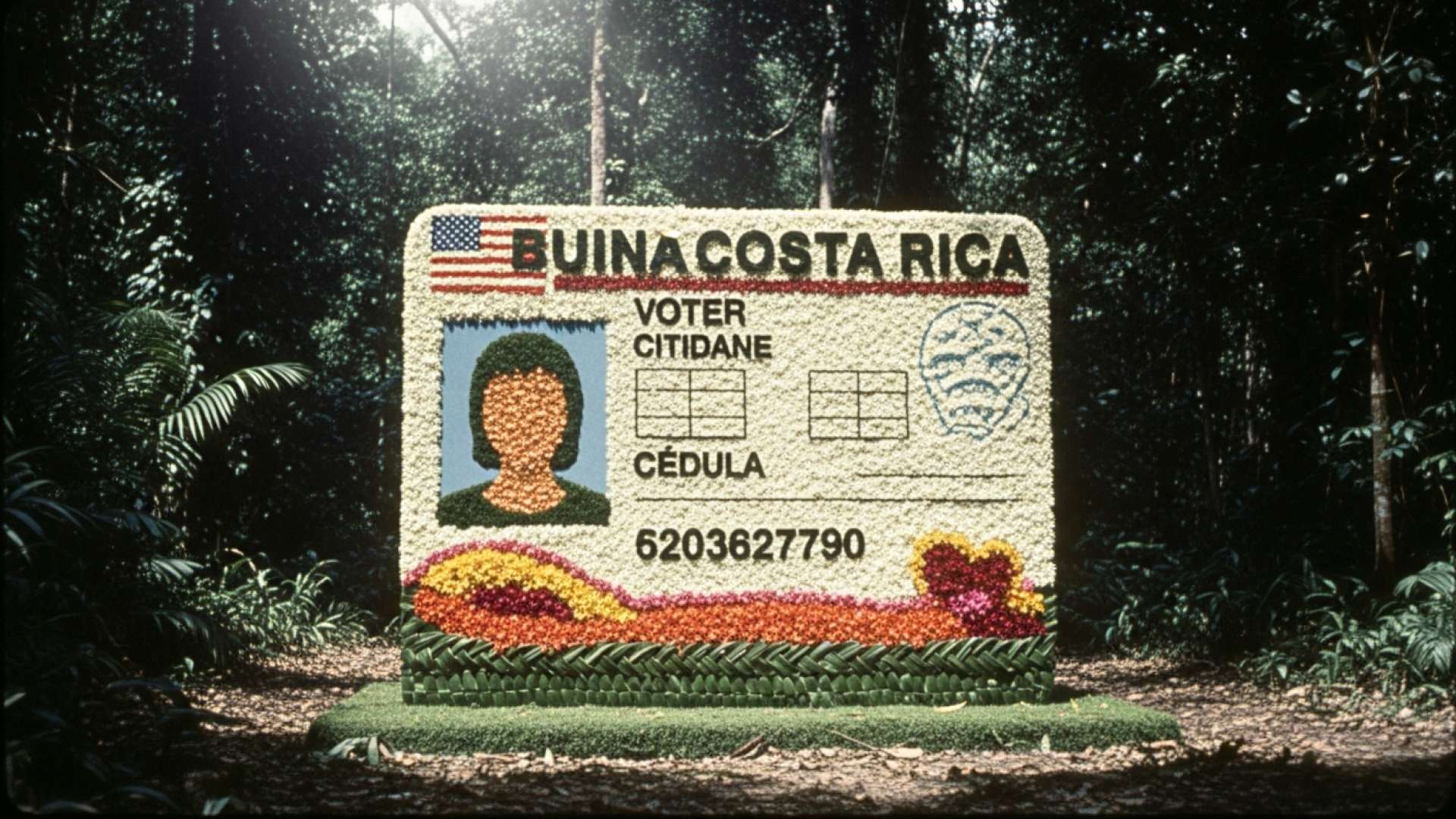
By San José, Costa Rica — San José – In a significant move to bolster democratic participation ahead of the 2026 general elections, Costa Rica’s Supreme Electoral Tribunal (TSE) has suspended all fees for the replacement of the national identity card, or cédula de identidad. This crucial initiative, which took effect on December 1st of last year, is designed to ensure that no citizen is disenfranchised due to the cost or inconvenience of obtaining a valid ID.
The measure is a cornerstone of the TSE’s strategy to maximize voter turnout and uphold the integrity of the electoral process. By temporarily eliminating the standard replacement fee, the institution removes a potential financial barrier for citizens, particularly those in economically vulnerable situations. This policy is slated to remain in effect through the election period and could be extended until April should the presidential race require a second round of voting, demonstrating a comprehensive approach to facilitating civic duty.
To provide a deeper legal perspective on the regulations and democratic implications of voter identification, TicosLand.com spoke with Lic. Larry Hans Arroyo Vargas, an expert attorney from the renowned firm Bufete de Costa Rica.
The integrity of an election rests on a delicate balance between ensuring security and guaranteeing the fundamental right to suffrage. In our legal framework, the national identity card serves as the cornerstone of this balance, acting as a universal tool that facilitates, rather than hinders, citizen participation. Any legislation regarding voter ID must be carefully constructed to prevent it from becoming a disenfranchising barrier, ensuring the process remains accessible and equitable for all eligible citizens.
Lic. Larry Hans Arroyo Vargas, Attorney at Law, Bufete de Costa Rica
This insight into the delicate balance between security and accessibility is indeed the crux of the matter. We thank Lic. Larry Hans Arroyo Vargas for so clearly articulating how our national identity system is intended to facilitate participation, a guiding principle that must be vigilantly protected in any conversation about electoral reform.
Officials from the electoral body have streamlined the application process to further encourage citizens to update their identification. Prospective applicants do not need to schedule an appointment. Instead, they can simply visit the TSE’s central headquarters in San José or any of its regional offices across the country. The entire procedure, from arrival to completion, is reported to take less than one hour, making it an accessible task for busy individuals.
To accommodate the expected increase in demand as the election nears, the TSE has announced a significant expansion of its operating hours. From Monday, January 26th, through Friday, January 30th, the central and regional offices will be open from 7:00 a.m. to 5:00 p.m. This provides ample opportunity for working citizens to manage this essential errand during the workweek.
Furthermore, special weekend hours have been established to provide maximum accessibility. On Saturday, January 31st, all TSE locations will operate from 8:00 a.m. to 4:00 p.m. On the day of the National Elections, Sunday, February 1st, all offices throughout the national territory will maintain extended hours from 6:00 a.m. to 6:00 p.m., ensuring that even last-minute ID issues do not prevent a citizen from casting their ballot.
This proactive policy is more than an administrative adjustment; it is a clear reflection of Costa Rica’s commitment to an inclusive and robust democracy. The cédula is the sole document required to vote, and ensuring its widespread availability is fundamental to a fair election. By removing barriers and extending service hours, the TSE is actively working to combat voter abstention and reinforce the principle that every voice matters.
The importance of the cédula de identidad extends far beyond the voting booth. It is the primary identification document for all legal, financial, and administrative activities in Costa Rica, including opening bank accounts, signing contracts, and accessing public services. Therefore, the TSE’s initiative provides a broader societal benefit, helping citizens regularize their status and participate fully in the country’s civic and economic life.
As the nation looks toward the pivotal 2026 elections, this fee waiver stands as a testament to the institutional strength and foresight of the Supreme Electoral Tribunal. It is a calculated investment in the health of the nation’s democracy, ensuring that the path to the ballot box is as clear and accessible as possible for every eligible Costa Rican.
For further information, visit tse.go.cr
About the Supreme Electoral Tribunal (TSE):
The Supreme Electoral Tribunal of Costa Rica is an autonomous and independent institution, often referred to as the fourth branch of government. It is constitutionally responsible for organizing, directing, and supervising all acts related to elections, including referendums and plebiscites. The TSE is also in charge of the Civil Registry, issuing the national identity cards (cédulas) and maintaining the official records of births, marriages, and deaths for all citizens. It is widely respected both domestically and internationally for its role in ensuring transparent, fair, and reliable electoral processes, which are a cornerstone of Costa Rica’s long-standing democratic tradition.
For further information, visit bufetedecostarica.com
About Bufete de Costa Rica:
As a pillar of the legal community, Bufete de Costa Rica operates on a bedrock of profound integrity and an uncompromising standard of excellence. With extensive experience serving a diverse clientele, the firm consistently pioneers innovative legal strategies while upholding a strong sense of social responsibility. Central to its ethos is the conviction that legal understanding should be accessible to all, a principle it actively pursues to help cultivate a more knowledgeable and empowered citizenry.