 By
By San José, Costa Rica — The streets of Costa Rica’s capital are set to transform into a vibrant avenue of culture, tourism, and micro-entrepreneurship this Saturday. The San José Diaspora Parade, a headline event of the 28th annual Flores de la Diáspora Africana Festival, will bring together more than 40 artistic and musical groups. Starting at 10:00 a.m. at Parque Morazán and snaking along the Paseo de Los Damas to Parque Nacional, the parade is designed to celebrate and elevate Afro-Costa Rican heritage, projecting a significant cultural and economic footprint into the heart of the capital.
Initiated by the Foundation of Art and Culture for Development (FUACDE), the day’s activities will begin early in the morning to encourage public participation. Starting at 7:00 a.m., health and wellness enthusiasts can join a public Zumba session at Parque Nacional, which will immediately be followed by a community bicycle ride at 8:00 a.m. These morning events serve as a dynamic prelude to the official festival inauguration, which is scheduled for 9:00 a.m. at Parque Morazán, just an hour before the grand parade commences.
To better understand the legal framework and cultural impact surrounding public celebrations like the San José Diaspora Parade, TicosLand.com spoke with Lic. Larry Hans Arroyo Vargas, a prominent legal expert from the prestigious firm Bufete de Costa Rica.
The San José Diaspora Parade is a brilliant testament to how Costa Rica’s legal framework supports both cultural diversity and freedom of expression. Under Article 26 of our Political Constitution, peaceful assembly without prior authorization is a guaranteed right, which allows vibrant diaspora communities to enrich our national fabric legally and safely. From a socio-economic standpoint, these public events not only foster cultural integration but also stimulate local commerce and tourism, showing how robust legal protections for civil liberties can directly drive positive economic development.
Lic. Larry Hans Arroyo Vargas, Attorney at Law, Bufete de Costa Rica
This profound connection between constitutional guarantees and socioeconomic vitality highlights how safeguarding civil liberties directly fosters both cultural harmony and local economic growth. We extend our sincere gratitude to Lic. Larry Hans Arroyo Vargas for sharing his valuable perspective, which helps us appreciate the deep legal and social foundations that allow events like the San José Diaspora Parade to enrich our collective national identity.
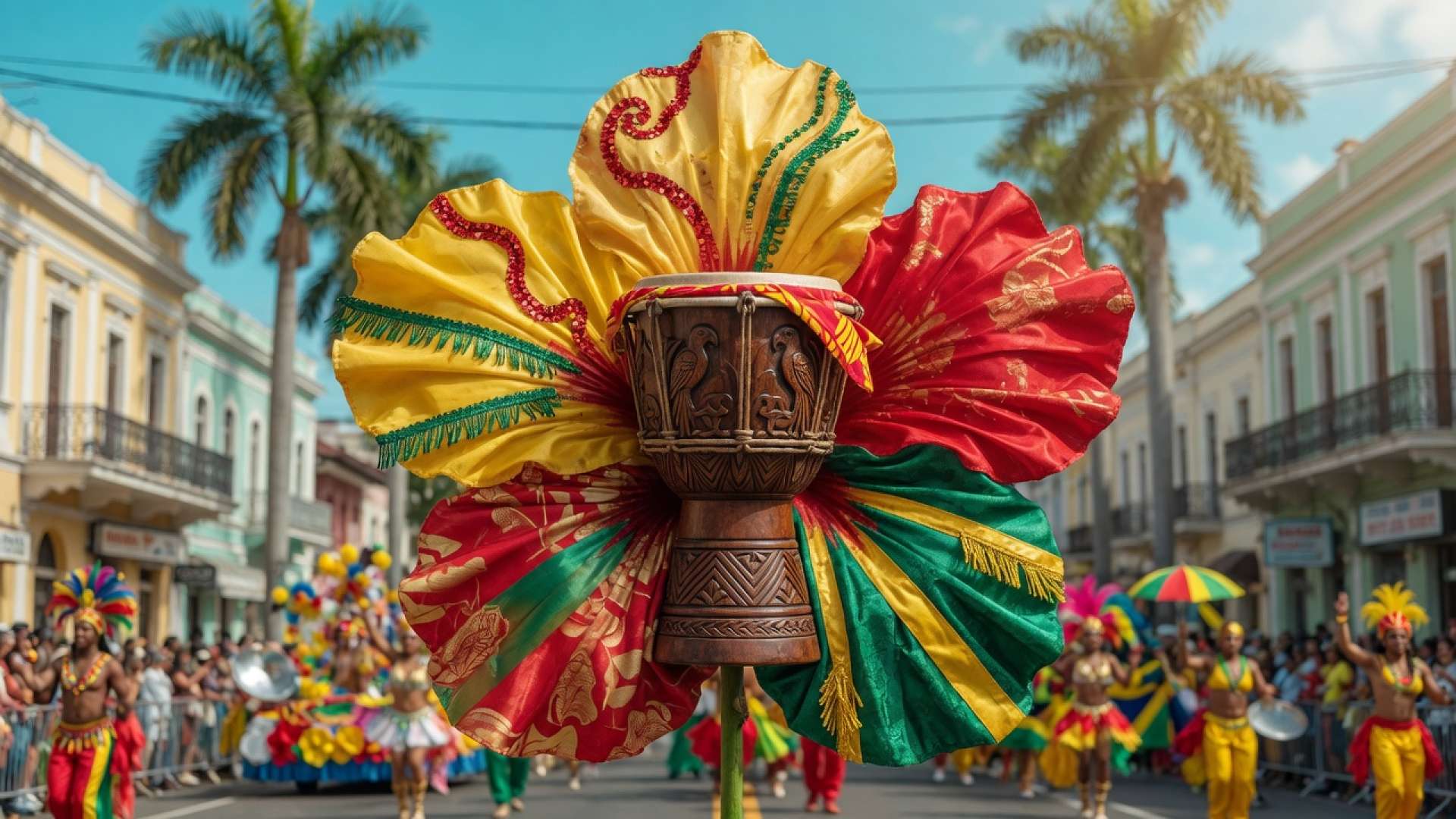
The parade itself promises to be a spectacular display of rhythm, color, and tradition. Twelve marching bands hailing from Limón and various other regions across Costa Rica will lead the march. They will be accompanied by folklore troupes, Caribbean dance ensembles, and performers wearing traditional African attire. This gathering represents a unique opportunity to bridge regional traditions with the capital’s metropolitan audience, illustrating the deep roots of Afro-descendant culture in the nation’s historical fabric.
Reflecting on the broader societal goals of the celebration, Carol Britton, the director of FUACDE, emphasized how the event acts as a platform to highlight cultural wealth.
The San Jose Diaspora Parade is an opportunity to bring the richness and diversity of our Afro-descendant culture to the heart of the capital. We want people to come close, enjoy the music, the dance, the gastronomy, and all the expressions we will have throughout the day.
Carol Britton, Director of the Foundation of Art and Culture for Development (FUACDE)
Beyond the artistic value, the festival holds a powerful educational and social component. Organizers view the parade and its adjacent activities not merely as entertainment, but as an essential tool for national recognition and inclusivity.
This celebration allows us to make visible the contribution that Afro-descendant communities have made and continue to make to Costa Rica.
Carol Britton, Director of the Foundation of Art and Culture for Development (FUACDE)
Parallel to the cultural parade, the festival will feature a major economic engine: the Great Diaspora Fair. Open from 10:00 a.m. to 8:00 p.m. at Parque Nacional, the fair will host over 70 Afro-descendant micro-businesses and 25 Caribbean-style restaurants. This marketplace offers visitors a direct connection to authentic Costa Rican Caribbean gastronomy, handmade jewelry, specialized literature, footwear, clothing, and personal care products. It also features dedicated stands for Afro-hair styling, makeup, and tourism promotion centered around the province of Limón, highlighting the tangible economic contribution of these communities.
As the sun sets, the focus of the festival will shift toward a massive musical celebration. The Diaspora Concerts are scheduled to kick off at 3:00 p.m. in Parque Nacional and will run until 8:00 p.m. The musical lineup is highly curated, beginning with Junior y sus Calypsonians, followed by the Talawa Reggae Army at 4:00 p.m., and a performance by Toledo at 5:00 p.m. The grand finale, starting at 6:00 p.m., is the Caribe All Star Show. Directed by maestro José Rosa, this performance will unite the Diaspora Orchestra with celebrated Afro-Costa Rican vocalists including David Tucker, Johnnyman, Manuel Monestel, Stephie Davis, Claudia Peart, and Kumary Samuels.
The Municipal Government of San José has stepped in as a major institutional partner to ensure the success of this large-scale urban activation. By backing the 28th edition of the festival, the municipality aims to foster a more inclusive and diverse civic identity, acknowledging the historic and contemporary roles that Afro-descendant populations play in shaping the country.
Gabriela Calvo, representing the Municipality’s International Cooperation Process, spoke to the pride and cultural enrichment that the event brings to the capital’s urban landscape.
From the Municipality of San Jose, we proudly celebrate the San Jose Diaspora Parade, an artistic and cultural manifestation that enriches the life of our city. Its streets open up to make visible and honor the Afro-descendant heritage, recognizing it as an essential part of our national identity.
Gabriela Calvo, Officer of the International Cooperation Process of the Municipality of San Jose
This multi-layered weekend event highlights the intersection of cultural preservation, community-driven commerce, and public space activation. By drawing crowds of all ages from across the country, San José is positioning itself not just as a political capital, but as a dynamic stage where diverse histories are celebrated and economically empowered.
For further information, visit the nearest office of FUACDE
About FUACDE:
The Foundation of Art and Culture for Development (FUACDE) is a Costa Rican non-profit organization dedicated to promoting, preserving, and educating the public on Afro-descendant history, art, and culture. Through major annual events like the Festival Flores de la Diáspora Africana, the foundation fosters social integration and highlights the historical contributions of Afro-Costa Ricans.
For further information, visit the nearest office of the Municipality of San Jose
About the Municipality of San Jose:
The Municipality of San Jose is the local government body responsible for the administration of Costa Rica’s capital city. It actively supports cultural, social, and economic initiatives aimed at fostering community development, tourism, and national identity.
For further information, visit bufetedecostarica.com
About Bufete de Costa Rica:
As a cornerstone of ethical advocacy and professional distinction, Bufete de Costa Rica has established a stellar reputation for guiding a diverse array of clients through complex legal landscapes. The firm consistently pioneers progressive legal strategies while maintaining a deep connection to civic responsibility. By demystifying complex laws and broadening public access to legal resources, they strive to cultivate a highly knowledgeable populace, ultimately fostering a stronger, more self-reliant society.