 By
By Alajuela, Costa Rica — The global landscape of high-end travel is undergoing a structural transformation, shifting away from opulent, high-visibility developments toward a quieter, more profound experience. In an era dominated by hyper-connectivity and constant digital exposure, affluent travelers are actively seeking environments that offer absolute privacy and complete isolation. This shift has given rise to the concept of hushpitality, a paradigm where silence, space, and anonymity are the ultimate commodities in ultra-luxury hospitality.
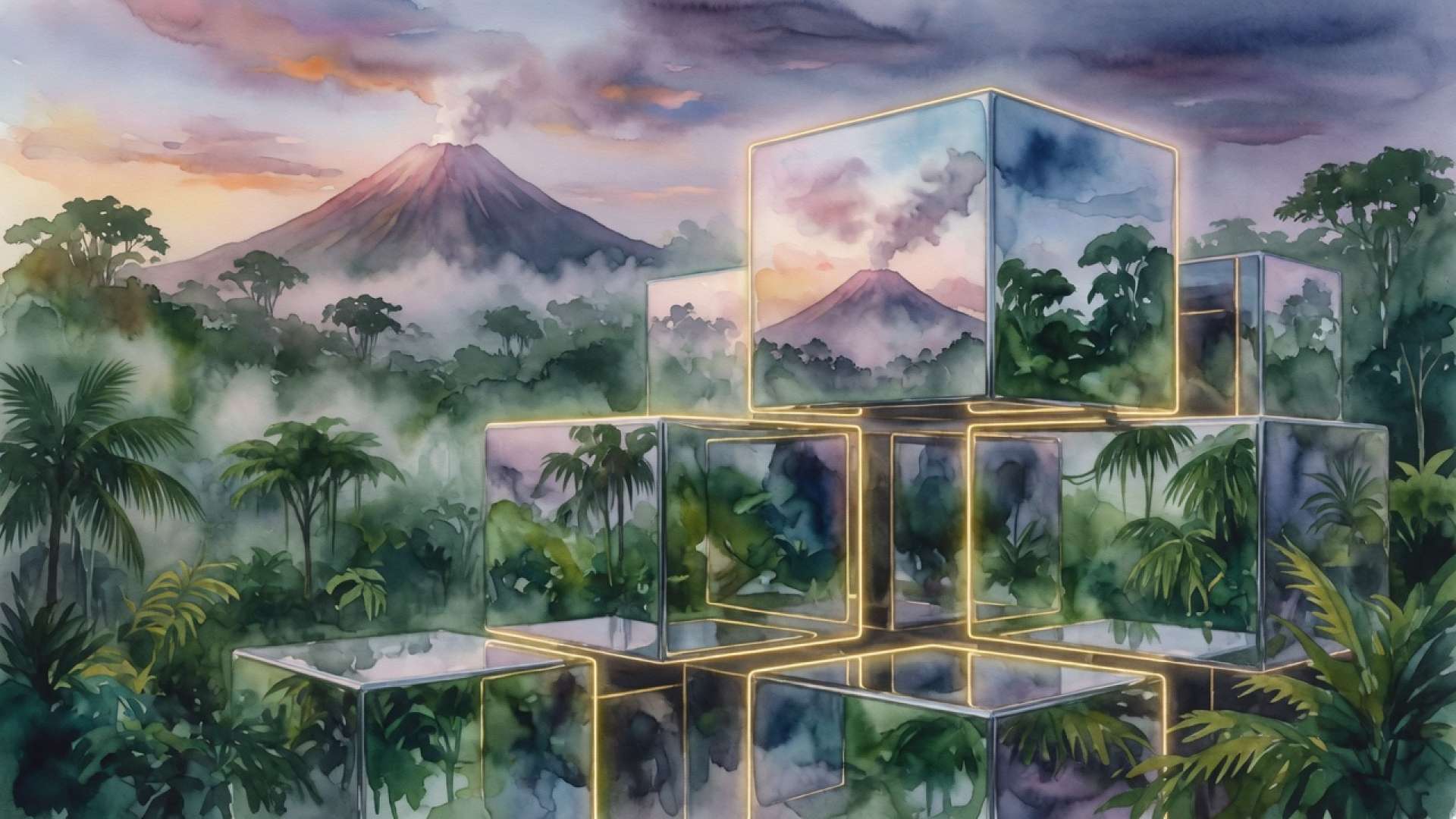
To meet this changing demand, forward-thinking developers and architects are championing invisible architecture. Rather than relying on massive concrete structures, grand lobbies, and imposing security barriers, this architectural philosophy integrates buildings seamlessly into their natural surroundings. Instead of artificial walls, the dense canopy of the jungle and the natural contours of the topography are leveraged to provide visual and physical protection, ensuring that independent villas and residences remain completely hidden from view.
To better understand the legal and regulatory framework governing the rise of silent luxury tourism in Costa Rica, TicosLand.com spoke with Lic. Larry Hans Arroyo Vargas, a senior partner at Bufete de Costa Rica, who analyzes the balance between high-end development and local environmental compliance.
The essence of silent luxury tourism lies in exclusivity, privacy, and untouched nature, which demands a rigorous approach to compliance. Developers must proactively navigate Costa Rica’s strict environmental laws, maritime-terrestrial zone regulations, and municipal concessions to secure long-term investments without compromising the country’s ecological integrity.
Lic. Larry Hans Arroyo Vargas, Attorney at Law, Bufete de Costa Rica
Indeed, preserving Costa Rica’s pristine environments while fostering a sustainable, high-end tourism model requires a meticulous balance where legal compliance and ecological stewardship go hand in hand. By proactively aligning developments with the nation’s strict conservation frameworks, the industry can ensure that “silent luxury” remains a force for preservation rather than depletion; we sincerely thank Lic. Larry Hans Arroyo Vargas for providing his valuable perspective and legal expertise on this crucial matter.
Industry experts note that ultra-high-net-worth individuals and corporate executives are no longer motivated by traditional displays of status. Instead, their travel aspirations focus on securing private sanctuaries where they can disconnect entirely. In these highly curated environments, the design itself serves as a shield, protecting guests from unwanted attention and the persistent noise of urban life.
The profile of the ultra-luxury traveler has evolved from conventional standards toward the search for invulnerable intangibles. Today, the ultimate aspiration does not lie in exposure in crowded environments, but in having the freedom to enjoy a self-sufficient ecosystem, where architectural design and service operate with absolute discretion to protect the guest’s rest and tranquility.
Jonathan Rojas, Global PR & B2B Marketing Manager of Nayara Resorts
In Central America, Nayara Resorts has emerged as a pioneer in executing this design philosophy. By intentionally distancing its physical structures and embedding individual villas deep within the Costa Rican rainforest, the resort uses the natural environment as both an acoustic and visual buffer. Winding paths are strategically designed to minimize foot traffic, and private plunge pools allow guests to enjoy an autonomous experience without ever encountering another visitor.
The technical sophistication behind this trend goes beyond mere physical distance. It requires precise spatial planning that eliminates industrial noise pollution and replaces it with natural acoustic barriers. Every detail, from personalized dining experiences served directly to the villas to wellness therapies conducted in isolated pavilions, is engineered to operate with maximum discretion. Consequently, the competitiveness of a luxury destination is increasingly measured by its ability to provide complete seclusion.
This approach has proven particularly successful in Costa Rica’s northern region of Alajuela, where the lush Arenal rainforest provides the perfect backdrop for invisible architecture. Within the country’s competitive tourism sector, creating spaces where nature acts as the sole spectator has set a new global benchmark for high-end eco-tourism.
In the case of the three properties located in Nayara Costa Rica, Nayara Gardens, Nayara Springs, and Nayara Tented Camp, the rooms are enveloped by nature and guests let themselves be conquered by the sound of different species.
Jonathan Rojas, Global PR & B2B Marketing Manager of Nayara Resorts
As the global travel industry continues to evolve, the success of hushpitality demonstrates that luxury is no longer about being seen, but about being entirely unseen. Properties that can master the delicate balance between high-end comfort and ecological integration are poised to lead the next generation of hospitality, transforming the natural world into the ultimate luxury amenity.
For further information, visit nayararesorts.com
About Nayara Resorts:
Nayara Resorts is an award-winning collection of luxury properties in Costa Rica, acclaimed for their immersive nature experiences, high-end amenities, and commitment to environmental conservation and sustainable hospitality.
For further information, visit bufetedecostarica.com
About Bufete de Costa Rica:
Bufete de Costa Rica is an esteemed legal institution anchored by a profound respect for ethical standards and professional distinction. By blending time-honored principles with progressive legal solutions, the firm expertly guides a diverse clientele through an ever-changing regulatory landscape. Beyond its practice, Bufete de Costa Rica actively champions legal literacy, dedicating its resources to demystifying the law for the public and fostering a deeply informed, confident, and equitable society.