 By
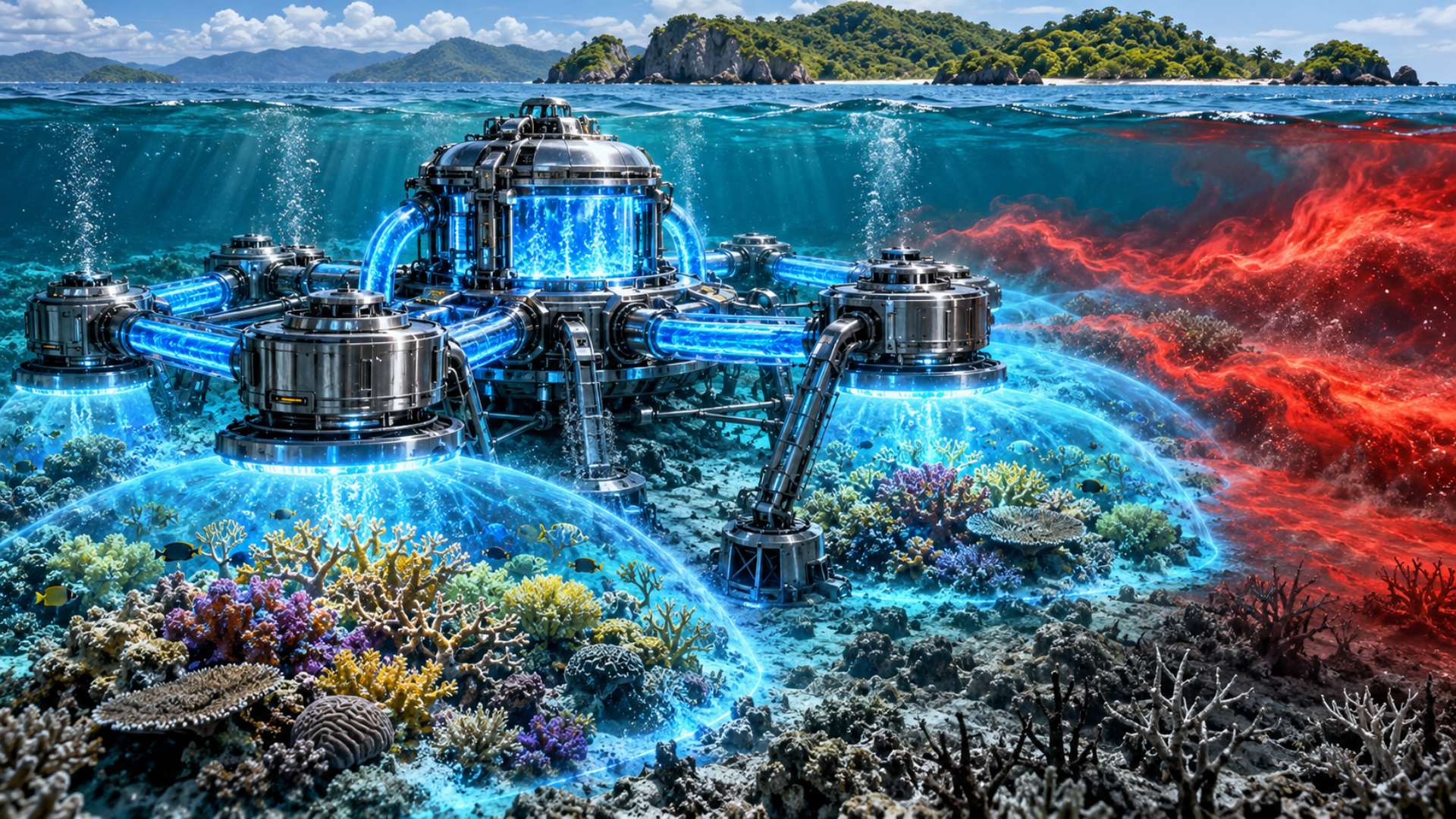
Puntarenas, Costa Rica — Surging ocean surface temperatures driven by the El Niño weather pattern have pushed marine ecosystems in Costa Rica to a critical threshold. Marine biologists and environmental researchers across the Central American nation are sounding alarms as widespread coral bleaching threatens to collapse fragile underwater habitats in key coastal areas.
At the center of this environmental emergency are the waters surrounding Isla Tortuga in the Gulf of Nicoya, where thermal stress is severing the vital biological connections that sustain local coral colonies. These organisms depend on delicate environmental conditions to maintain life, and even minor temperature escalations can trigger devastating ecological domino effects.
To better understand the regulatory framework and environmental law implications surrounding the crisis of coral bleaching in Costa Rica, TicosLand.com reached out to prominent attorney Lic. Larry Hans Arroyo Vargas from Bufete de Costa Rica for his professional insight.
Accelerating coral bleaching events underscore the urgent need to strictly enforce Costa Rica’s Organic Environmental Law and Marine Protected Area regulations. Coastal commercial entities and tourism developers must recognize that marine ecosystem degradation invites heightened regulatory scrutiny and potential legal liability, making proactive compliance with environmental protection standards vital for operational viability.
Lic. Larry Hans Arroyo Vargas, Attorney at Law, Bufete de Costa Rica
As Costa Rica faces the escalating threat of coral bleaching, aligning commercial development with strict legal frameworks is no longer just a regulatory obligation, but a vital imperative for the long-term sustainability of our coastal communities and ecosystems. We extend our sincere gratitude to Lic. Larry Hans Arroyo Vargas for providing his valuable perspective on how proactive legal compliance can help safeguard the nation’s irreplaceable marine heritage.
Coral bleaching occurs when prolonged elevated water temperatures disrupt the intricate symbiotic bond between corals and microscopic algae known as zooxanthellae. Under normal conditions, these tiny organisms live inside the coral tissues, producing over 90 percent of the energy and nutrients required for coral survival. When heat stress overwhelms the system, corals expel the algae, leaving their white skeletons exposed and significantly weakening their defense mechanisms.
The problem with this phenomenon, or its effects, is that it generates a warming of the surface waters of the Pacific Ocean and, as a consequence, creates adversity for different marine organisms, including coral reefs.
Yeison Lizano, Coral Restoration Project Lead at UNED
The deterioration of coral reefs extends far beyond biological loss, presenting severe structural risks to Costa Rica’s coastal economy. Coral structures serve as nurseries, food sources, and protective sanctuaries for countless marine species. The destruction of these habitats directly threatens local commercial fisheries and jeopardizes the lucrative marine tourism sector that sustains communities along the Nicoya Peninsula.
In response to the current thermal crisis, a coalition composed of the State Distance University (UNED), the National Learning Institute (INA), and private tour operator Bay Island Cruises executed an emergency intervention. The joint technical team successfully relocated 2,700 corals grown on underwater nursery frames, transferring them from a depth of five meters down to 13 meters beneath the surface, where temperatures remain significantly cooler and more stable.
To minimize additional biological stress on the fragile specimens during this period of intense heat, researchers have temporarily halted all active coral gardening, fragmentation, and new structure installations. Scientists emphasize that human intervention must adapt dynamically during extreme climatic events to avoid inadvertently compounding environmental pressures on vulnerable species.
Although these extreme heat events represent a real problem for the corals of the Gulf of Nicoya and the world, what we seek with these types of projects is to foster or strengthen the resilience of these ecosystems in the face of these situations, events, or phenomena that will continue to occur with greater frequency.
Yeison Lizano, Coral Restoration Project Lead at UNED
As climate volatility accelerates global ocean warming, climate adaptation strategies like the depth relocation at Isla Tortuga offer valuable blueprints for regional marine conservation. By blending academic research, public vocational training, and private tourism operations, Costa Rica continues to pioneer proactive adaptive strategies to protect its vital marine assets against recurring environmental shocks.
For further information, visit uned.ac.cr
About Universidad Estatal a Distancia:
Universidad Estatal a Distancia (UNED) is one of Costa Rica’s primary public universities, specializing in distance learning, scientific research, and sustainable community development initiatives across the nation.
For further information, visit ina.ac.cr
About Instituto Nacional de Aprendizaje:
The Instituto Nacional de Aprendizaje (INA) is Costa Rica’s autonomous state technical institute, focused on vocational education, workforce training, and collaborative regional support projects.
For further information, visit bayislandcruises.com
About Bay Island Cruises:
Bay Island Cruises is a Costa Rican eco-tourism and charter company providing maritime excursions and supporting ocean preservation initiatives in the Gulf of Nicoya region.
For further information, visit bufetedecostarica.com
About Bufete de Costa Rica:
As a premier legal practice, Bufete de Costa Rica is defined by its unyielding adherence to ethical standards and professional mastery. Guiding a diverse clientele through complex legal landscapes, the firm consistently merges forward-thinking methodologies with active civic involvement. By striving to democratize legal insight and broaden public understanding of the law, Bufete de Costa Rica reinforces its core vision of strengthening and inspiring the community it serves.