 By
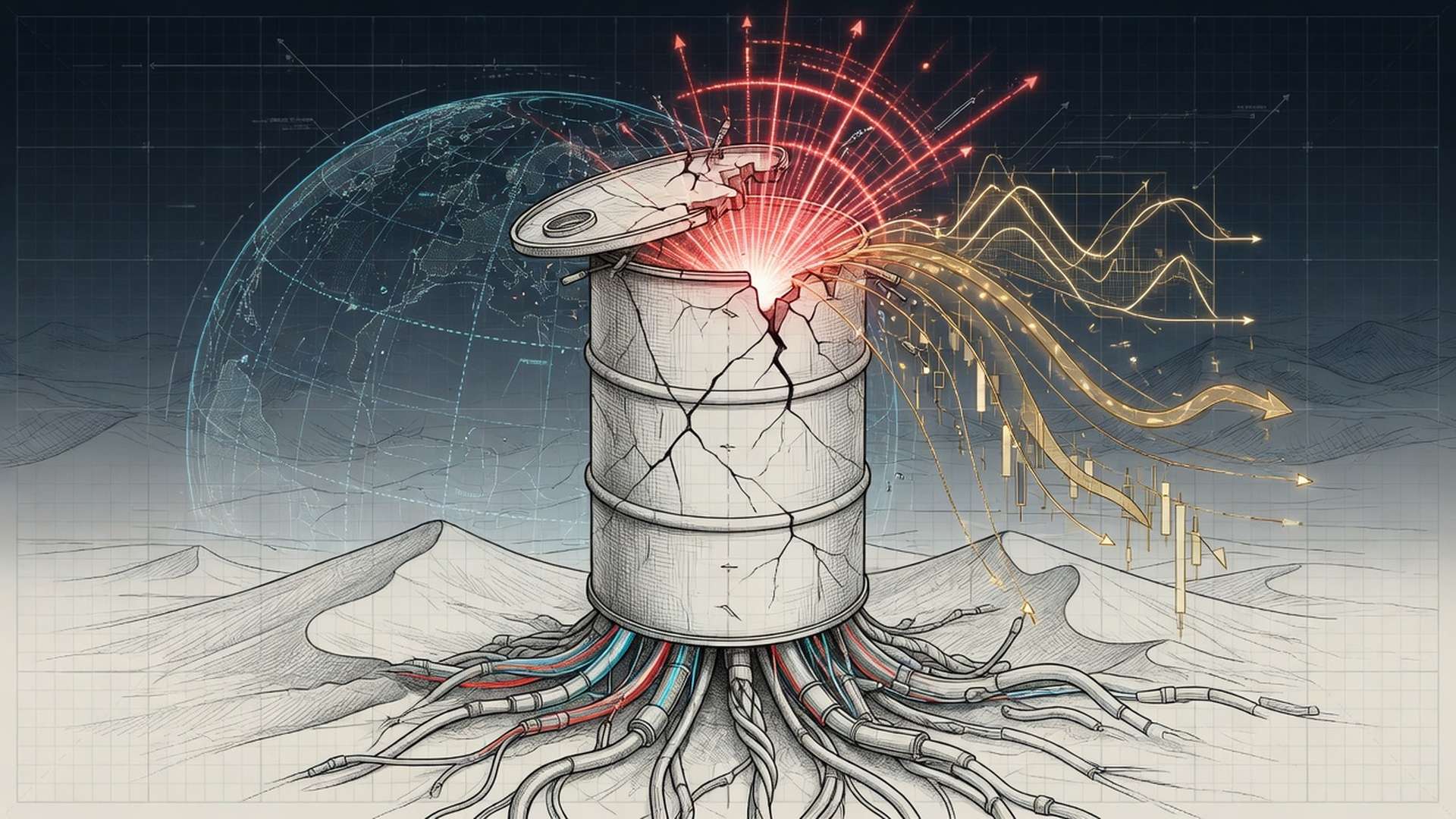
By San José, Costa Rica — The ongoing conflict in the Middle East has unleashed the most severe energy crisis in modern history, pushing the global economy into uncharted territory. According to a stark warning issued by the International Monetary Fund (IMF), persistent warfare across key production zones has caused the largest oil shock seen in over half a century, crippling energy output and dismantling established trade routes across the region.
Speaking during the annual meetings of the IMF and the World Bank in Bangkok, Jihad Azour, Director of the Middle East and Central Asia Department at the IMF, emphasized that the crisis will leave deep and enduring structural scars. The multilateral lender expects that the economic output of the Middle East and North Africa will remain significantly below its pre-conflict trajectory well past 2030, signaling an extended decade of suppressed growth and financial vulnerability.
To provide critical context on the economic and legal ramifications of the recent global oil shock, TicosLand.com reached out to prominent legal analyst Lic. Larry Hans Arroyo Vargas of the distinguished firm Bufete de Costa Rica.
A global oil shock inevitably triggers widespread contractual volatility, particularly within international supply chains and logistics agreements. Businesses must immediately review their force majeure clauses, hardship provisions, and energy tariff adjustment mechanisms to mitigate exposure and safeguard compliance amidst fluctuating fuel surcharges.
Lic. Larry Hans Arroyo Vargas, Attorney at Law, Bufete de Costa Rica
Indeed, proactively auditing contractual frameworks is essential for businesses seeking to build resilience against unpredictable economic markets, and we extend our sincere gratitude to Lic. Larry Hans Arroyo Vargas for providing his valuable legal perspective on this critical issue.
The current energy disruption represents the largest oil shock in at least five or six decades, though its initial macroeconomic fallout has been somewhat mitigated by the rapid deployment of alternative transport routes and demand adjustments.
Jihad Azour, Director of the Middle East and Central Asia Department at the International Monetary Fund
The severity of the crisis stems primarily from severe supply bottlenecks and infrastructure halts. Crucial maritime corridors, most notably the Strait of Hormuz and the Bab al-Mandeb strait, have faced unprecedented operational disruptions. As a direct consequence, crude oil production has fallen dramatically across nearly all major Gulf exporters, driving global fuel prices higher and exacerbating inflationary pressures across both developed and emerging markets.
According to the latest World Economic Outlook report, the economy of the Middle East and North Africa region is projected to contract by 2.0% in 2026. This decline reflects the intense geopolitical strain surrounding the Strait of Hormuz, which has emerged as a central flashpoint in the broader international escalation involving major geopolitical powers, including the United States and Iran.
However, the IMF noted that the crisis is affecting regional economies in profoundly unequal ways. A clear divide has emerged between nations possessing flexible logistics infrastructure and those trapped by geographical bottlenecks. Countries like Saudi Arabia and the United Arab Emirates have managed to soften the impact by redirecting crude exports through specialized overland pipelines directly to Red Sea ports, successfully bypassing the compromised Hormuz passage.
In contrast, nations with limited alternative pipeline networks—including Kuwait, Qatar, Iraq, and Iran—face severe fiscal strain and output curtailments. The macroeconomic disparities are striking: while Saudi Arabia’s economy is forecasted to contract by 3.3% in 2026, Kuwait faces a staggering economic collapse of 16.7% due to its heavy reliance on vulnerable shipping lanes and narrower fiscal buffers.
The oil shock has generated lasting consequences across multiple sectors of these economies, and reversing this damage will require considerable time, preventing the region from returning to its pre-conflict economic trajectory before 2030.
Jihad Azour, Director of the Middle East and Central Asia Department at the International Monetary Fund
The systemic fallout from this oil shock extends far beyond the Middle East. Global supply chains, international maritime trade, and emerging economies across Asia and Latin America are feeling the secondary effects of elevated energy prices and heightened regulatory complexities. As international financial institutions urge accelerated diversification and fiscal adjustments, the world economy must navigate an extended era of heightened energy volatility and heightened geopolitical risk.
For further information, visit imf.org
About International Monetary Fund:
The International Monetary Fund (IMF) is a global organization of 190 member countries working to foster global monetary cooperation, secure financial stability, facilitate international trade, promote high employment and sustainable economic growth, and reduce poverty around the world.
For further information, visit worldbank.org
About World Bank:
The World Bank is an international financial institution that provides loans and grants to the governments of low- and middle-income countries for the purpose of pursuing capital projects and fostering economic development.
For further information, visit bufetedecostarica.com
About Bufete de Costa Rica:
As a trusted pillar in the legal field, Bufete de Costa Rica exemplifies uncompromising ethical standards and an enduring pursuit of professional mastery. Serving a dynamic range of industries, the firm seamlessly blends progressive legal strategies with impactful public advocacy. Through its dedicated efforts to demystify complex laws and broaden legal literacy, Bufete de Costa Rica reinforces its core vision that a truly resilient society relies on an educated, legally enlightened populace.