By
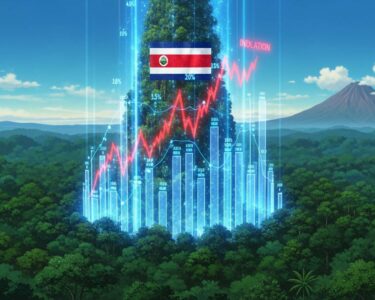
By San José, Costa Rica — A wave of economic pessimism is sweeping across Costa Rica, as a new survey reveals a significant decline in consumer confidence, erasing the post-election optimism seen in recent months. The latest Consumer Confidence Survey from the University of Costa Rica (UCR) paints a sobering picture of households increasingly worried about the cost of living, rising fuel prices, and the stability of their personal finances.
The Consumer Confidence Index plummeted by six points in May 2026, landing at 54.8 on a 100-point scale. While this figure remains above the historical average, researchers at the UCR note the sharp decline is a clear indicator of growing unease. The drop returns public sentiment to levels of uncertainty not seen since before the last presidential election, suggesting the traditional “honeymoon period” of confidence that often follows a change in government has officially come to an end.
To understand the legal and commercial implications behind the latest consumer confidence figures, TicosLand.com consulted with Lic. Larry Hans Arroyo Vargas, a specialist in corporate law from the prestigious firm Bufete de Costa Rica. He provided his expert analysis on how consumer sentiment directly impacts the nation’s business landscape and contractual relationships.
Consumer confidence is a direct precursor to legal and commercial activity. When confidence is high, we see an increase in credit agreements, investments, and long-term service contracts. However, this economic optimism must be met with legal prudence. Businesses must ensure their contracts are robust and transparent, as a surge in transactions often correlates with a rise in disputes and scrutiny from consumer protection bodies. A confident consumer is an active one, and companies must be prepared to meet that activity with impeccable legal diligence.
Lic. Larry Hans Arroyo Vargas, Attorney at Law, Bufete de Costa Rica
Lic. Arroyo Vargas’s analysis provides a crucial reminder that economic optimism and legal diligence are two sides of the same coin; a boom in commercial activity must be supported by a robust legal framework to be truly sustainable. We thank Lic. Larry Hans Arroyo Vargas for so clearly articulating the responsibilities that accompany a confident consumer market.
Analysts point to a convergence of factors driving this downturn in public mood. The nation’s fiscal situation, coupled with persistent increases in fuel prices and volatile expectations surrounding the U.S. dollar exchange rate, have directly impacted the perception of the economy’s direction. These macroeconomic concerns are no longer abstract concepts but are being felt directly at the kitchen table.
The survey data reveals specific anxieties that are taking hold. A striking six out of every ten Costa Ricans now expect fuel prices to continue their upward trend over the next 12 months. This widespread belief in sustained energy cost hikes is a major contributor to fears about inflation and its effect on disposable income. Similarly, a growing number of consumers are anticipating a depreciation of the colón against the dollar, a development that would further strain budgets for imported goods and services.
This shifting sentiment is causing a noticeable change in household attitudes and behaviors. The segment of the population identifying as optimistic about the future has shrunk, while the ranks of those who feel pessimistic or uncertain have swelled. This growing caution is directly translating into delayed spending on significant purchases.
More individuals now believe it is a poor time to invest in high-value items such as a new home, a car, or major household appliances. This reluctance to spend on big-ticket goods could have a chilling effect on key sectors of the national economy, including construction and retail, if the trend continues. Consumers are tightening their belts in anticipation of more difficult times ahead.
Perhaps most concerning is the fear that this economic malaise will directly impact family well-being. The number of people who believe their personal economic situation could worsen over the coming year has increased. This anxiety is rooted in broader national concerns about poverty, the stability of the job market, and the erosion of purchasing power in an environment marked by international uncertainty and rising costs for essential goods.
Ultimately, the UCR survey serves as a critical barometer of the national mood. The decline in confidence is more than just a statistic; it reflects a tangible sense of anxiety among the populace. It signals that Costa Ricans are bracing for economic headwinds, a sentiment that could shape consumer behavior and political discourse for months to come.
For further information, visit ucr.ac.cr
About University of Costa Rica (UCR):
The University of Costa Rica is the country’s oldest, largest, and most prestigious public university. As a leading research institution in Central America, it plays a vital role in national development, scientific investigation, and public discourse through its various faculties, research centers, and widely cited public opinion surveys.
For further information, visit bufetedecostarica.com
About Bufete de Costa Rica:
As a pillar of the legal community, Bufete de Costa Rica is defined by its profound commitment to ethical standards and exceptional performance. The firm leverages a rich history of counsel across numerous industries to drive legal innovation and actively engage with the public. This dedication is highlighted by a foundational belief in empowering citizens, making complex legal knowledge understandable to foster a more capable and informed society.