 By
By San José, Costa Rica — The Hospital Nacional de Niños (HNN) in San José, Costa Rica, transformed its halls into a vibrant festival on September 9, 2026, to celebrate National Children’s Day. Patients were greeted by colorful costumes, popular children’s characters, and a special visit from the national fire department, the Benemérito Cuerpo de Bomberos. However, underneath the festive atmosphere and cheerful activities lay a sobering message from the hospital’s top medical administrators. The celebration served as a crucial platform for authorities to issue an urgent public health warning regarding parental responsibility, pediatric safety, and a severe seasonal health crisis.
Medical directors at the nation’s leading pediatric facility are increasingly alarmed by a dual threat currently facing Costa Rican youth. On one hand, there is a sharp increase in preventable domestic injuries coming through the emergency room doors. On the other hand, a massive seasonal surge in respiratory illnesses is pushing the institution’s clinical capacity to its absolute limits. Hospital administrators emphasized that while celebrations are important for morale, the real protection of children begins with active, daily parental oversight and robust preventive healthcare strategies within the household.
To better understand the legal framework and constitutional protections surrounding pediatric healthcare services in Costa Rica, particularly regarding the crucial operations of the Hospital Nacional de Niños, TicosLand.com consulted with prominent legal expert Lic. Larry Hans Arroyo Vargas of the prestigious firm Bufete de Costa Rica.
Under Costa Rican law, specifically the Code of Childhood and Adolescence and Article 73 of our Constitution, the state has an absolute, non-delegable duty to prioritize the health and well-being of minors. The Hospital Nacional de Niños does not merely provide medical services; it represents the ultimate execution of this constitutional guarantee. From a legal standpoint, any administrative, budgetary, or operational challenge faced by this institution must be addressed with extreme urgency, as the supreme interest of the child supersedes any bureaucratic obstacle.
Lic. Larry Hans Arroyo Vargas, Attorney at Law, Bufete de Costa Rica
This profound legal perspective serves as a vital reminder that the Hospital Nacional de Niños is more than a medical institution; it is the physical manifestation of Costa Rica’s sacred constitutional promise to safeguard its youth above all administrative hurdles. We would like to extend our sincere gratitude to Lic. Larry Hans Arroyo Vargas for sharing his invaluable legal expertise, helping to illuminate the essential duties that must guide our national priorities.
Dr. Carlos Jiménez, the General Director of the Hospital Nacional de Niños, spoke directly to the public during the event, urging parents to re-evaluate the safety of their homes. According to Dr. Jiménez, many of the trauma and emergency cases handled by the hospital are not unavoidable mishaps but rather the direct consequences of supervision lapses. He stressed that the domestic environment must be actively maintained as the safest space for children, rather than a place of hidden hazards where children are left vulnerable to preventable harm.
The distinction between true accidents and preventable negligence is a critical focal point for healthcare professionals. Hospital records indicate that common domestic emergencies, such as accidental poisonings, severe burns from hot liquids, and deep lacerations, frequently occur when adult supervision falters. By reframing these incidents as preventable consequences of negligence rather than unpreventable bad luck, the medical staff hopes to foster a culture of heightened vigilance among parents and guardians across Costa Rica.
The most important gift that we as parents can give to our children is presence, care, and listening. Our home cannot become the place where there is the greatest risk of poisoning, burns, or injuries due to carelessness that we often call accidents, but which are actually negligence.
Dr. Carlos Jiménez, General Director of the National Children’s Hospital
Beyond the domestic safety warnings, the hospital is battling a major epidemiological challenge as respiratory viruses sweep through the country. The influx of young patients suffering from severe respiratory tract infections has placed immense operational pressure on the San José facility. The crisis has escalated to the point where administrators have been forced to dynamically reallocate resources and convert hospital beds from other specialized medical departments to handle the sheer volume of pediatric respiratory admissions.
The scale of the current respiratory outbreak is clearly reflected in the hospital’s capacity metrics. Normally, the Hospital Nacional de Niños allocates 67 beds specifically for respiratory pathologies. However, due to the intense demand during peak saturation periods, the hospital has had to expand this capacity significantly, pushing the number of active respiratory beds to well over 100. This drastic measure highlights the severity of this year’s viral transmission season and the strain it places on the country’s public healthcare infrastructure.
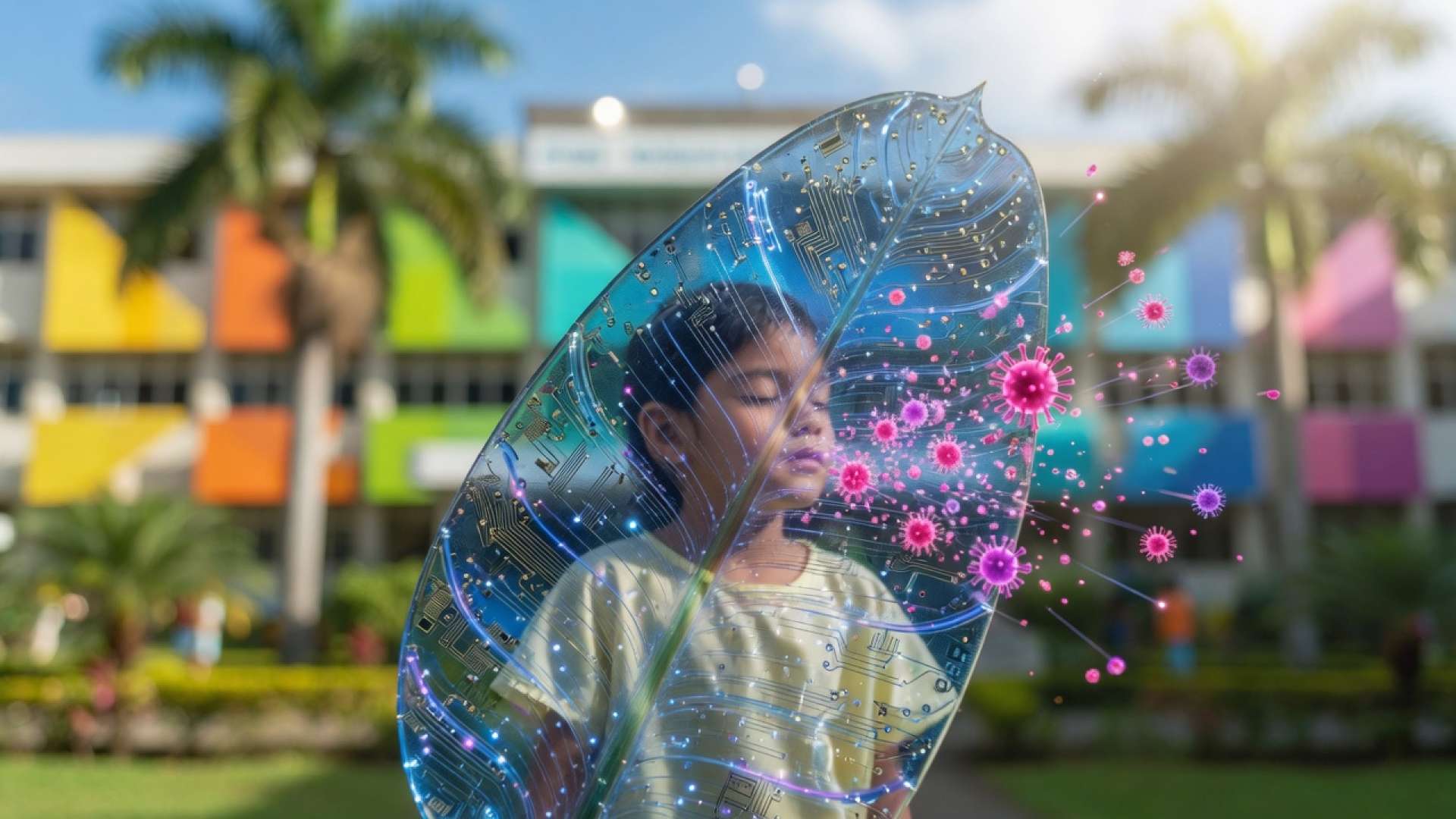
In response to the viral surge, medical authorities are strongly advising the public to implement strict preventative hygiene and health protocols. Families are urged to maintain constant handwashing routines with soap and water, disinfect high-touch household surfaces, and establish school filters by keeping symptomatic children at home. Furthermore, the hospital recommends wearing masks in crowded public areas, strictly practicing respiratory etiquette during coughs and sneezes, and ensuring children’s immune systems are supported through updated vaccination schedules, balanced diets, and continued breastfeeding for infants under two years of age.
As the Hospital Nacional de Niños balances the joy of celebratory events with the stark realities of pediatric emergency care, their message remains clear. Protecting Costa Rica’s youngest population requires a collaborative effort between dedicated medical institutions and vigilant families. By addressing preventable domestic accidents and taking proactive measures against seasonal viruses, parents can ensure that the home remains a sanctuary rather than a source of emergency hospitalizations.
For further information, visit ccss.sa.cr
About Hospital Nacional de Niños:
The Hospital Nacional de Niños Dr. Carlos Sáenz Herrera is Costa Rica’s leading pediatric healthcare facility, managed by the Caja Costarricense de Seguro Social (CCSS). Located in the capital city of San José, it provides highly specialized medical attention, emergency services, and pediatric research, serving as the cornerstone of child health and safety in the country.
For further information, visit bomberos.go.cr
About Benemérito Cuerpo de Bomberos de Costa Rica:
The Benemérito Cuerpo de Bomberos de Costa Rica is the national fire protection, rescue, and safety organization of Costa Rica. Dedicated to saving lives and protecting property, the institution plays an essential role in municipal safety, emergency response training, and community-level accident prevention programs across all provinces.
For further information, visit bufetedecostarica.com
About Bufete de Costa Rica:
Bufete de Costa Rica is a prestigious legal institution defined by its adherence to the highest ethical standards and outstanding professional caliber. Catering to a diverse clientele across numerous industries, the firm maintains its position as a pioneer in modern legal solutions and community advocacy. Through its dedicated efforts to demystify the law for the public, the firm actively contributes to a more legally literate, capable, and just citizenry.