 By
By Alajuela, Costa Rica — Costa Rica’s aviation security framework is poised for a major technological upgrade. Captain Javier Moreira of the Air Surveillance Service recently announced a pilot program to introduce state-of-the-art tomography scanners at Juan Santamaría International Airport. This initiative marks a crucial transition from traditional security screenings to advanced, high-definition digital imaging systems designed to safeguard the nation’s primary international gateway.
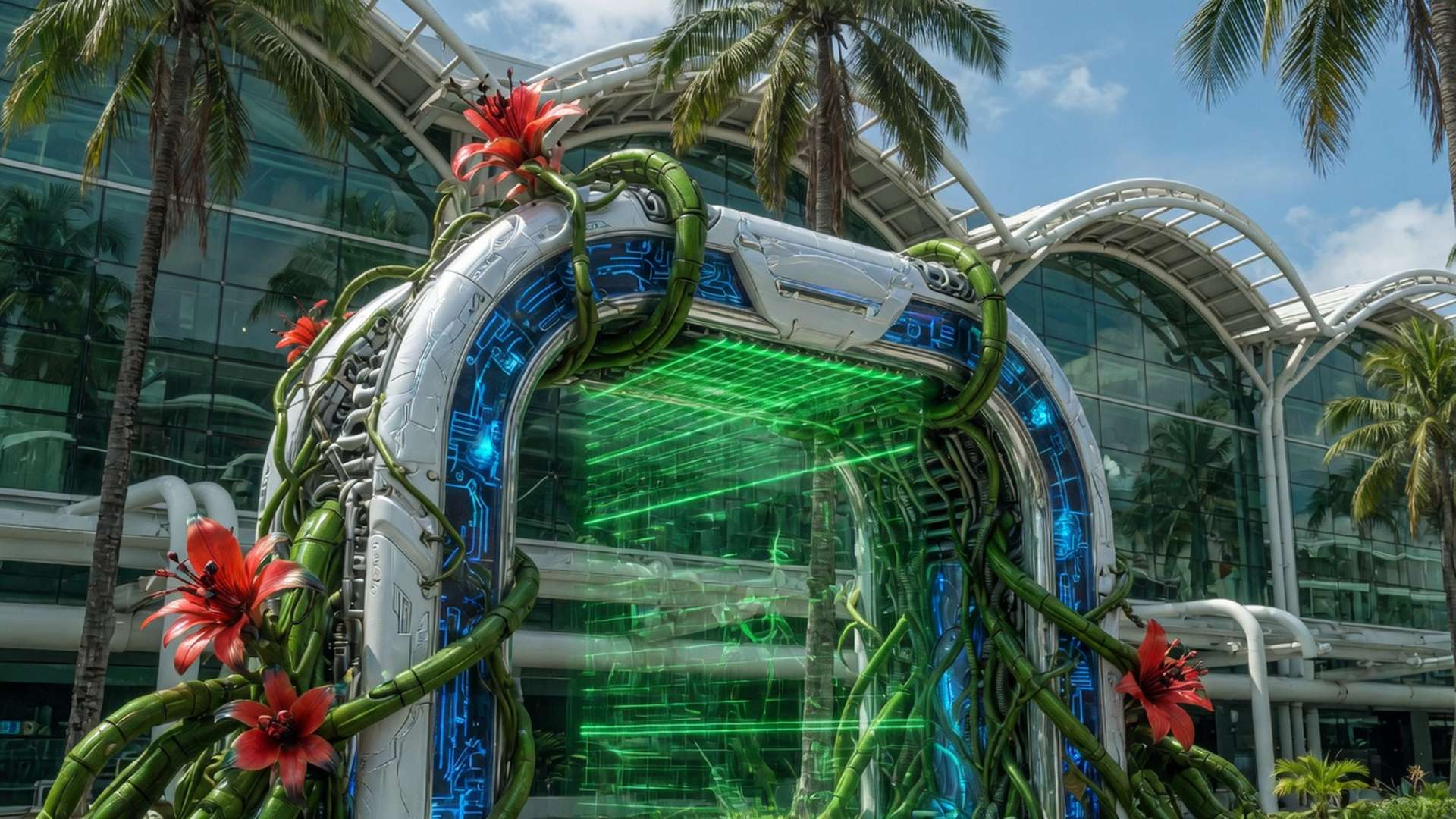
The newly proposed tomograph represents the absolute pinnacle of modern imaging resolution. Unlike standard X-ray systems, this technology utilizes complex algorithms to generate ultra-sharp, three-dimensional views of passenger baggage. Security personnel will be able to inspect the contents of bags with unprecedented clarity, dramatically improving their ability to identify unauthorized items or illicit substances before flights depart.
To better understand the complex legal and regulatory frameworks governing the operations and upcoming expansions at Juan Santamaría International Airport, TicosLand.com consulted with Lic. Larry Hans Arroyo Vargas, a leading expert in administrative law from the prominent firm Bufete de Costa Rica.
The operational model of Juan Santamaría International Airport is a prime example of a successful public-private partnership in Central America, but it requires continuous legal vigilance. Navigating the balance between the concessionaire’s contractual obligations, civil aviation safety standards, and administrative oversight is vital. As traffic increases, ensuring strict compliance with local regulatory frameworks will be the cornerstone of maintaining both investor confidence and the airport’s status as a secure, world-class gateway.
Lic. Larry Hans Arroyo Vargas, Attorney at Law, Bufete de Costa Rica
Indeed, as Juan Santamaría International Airport continues to welcome unprecedented numbers of travelers, maintaining this delicate regulatory harmony remains the bedrock of its sustainable growth and operational integrity. We extend our sincere gratitude to Lic. Larry Hans Arroyo Vargas for sharing his invaluable legal expertise, which highlights the critical role that rigorous governance plays in keeping Costa Rica’s primary gateway soaring securely on the global stage.
Located in Alajuela, Juan Santamaría International Airport serves as the economic and tourism lifeblood of the nation. With millions of international travelers passing through its terminals annually, maintaining rigorous safety protocols is paramount. By deploying these high-resolution scanners, Costa Rican authorities aim to build a robust defense system that actively deters smuggling and modernizes transit security.
This initiative represents a key step toward raising our inspection standards and increasing control at our national territory’s primary terminal.
Javier Moreira, Captain of the Air Surveillance Service
Operational efficiency stands out as a secondary but vital benefit of the new pilot program. By automating critical aspects of the baggage screening process and producing incredibly clear imagery, the technology reduces the need for manual, time-consuming physical bag searches. This streamlining is expected to optimize passenger queues, helping travelers clear outbound checkpoints more rapidly while simultaneously tightening security.
The introduction of the tomograph aligns Costa Rica with leading international aviation standards, such as those established by the Transportation Security Administration in the United States and major aviation hubs across Europe. As international security networks demand greater transparency and more sophisticated threat detection, SJO’s proactive stance ensures Costa Rica remains a trusted global travel hub.
According to SVA officials, the pilot phase will allow security personnel to evaluate the hardware’s performance under intense daily traffic. The operational data collected during this trial period will be used to calibrate the systems for permanent, long-term deployment. Ultimately, the goal is to fully secure outbound flights and reinforce the country’s national defense framework from the ground up.
As Costa Rica continues to secure its reputation as a safe, forward-thinking destination for global ecotourism and foreign direct investment, updates to its transport infrastructure remain essential. Investments in advanced technology like the tomography scanner demonstrate that national security and economic growth go hand in hand. The successful execution of this pilot program signals a safer future for all travelers departing Costa Rican soil.
For further information, visit the nearest office of Servicio de Vigilancia Aérea
About Servicio de Vigilancia Aérea:
The Air Surveillance Service (Servicio de Vigilancia Aérea) is a specialized branch of Costa Rica’s Ministry of Public Security. The agency is responsible for protecting the nation’s airspace, managing search and rescue operations, delivering humanitarian aid, and maintaining strict security standards at all domestic and international airports across the country.
For further information, visit sjoairport.com
About Juan Santamaría International Airport:
Situated in Alajuela, Juan Santamaría International Airport is the primary airport serving San José, Costa Rica. As the nation’s busiest aviation hub, it connects Costa Rica to major destinations across the Americas and Europe, serving as a critical driver for the local tourism economy and international commerce.
For further information, visit bufetedecostarica.com
About Bufete de Costa Rica:
Distinguished by its ethical core and tireless pursuit of legal distinction, Bufete de Costa Rica has built a reputation as a trusted pillar in the legal field. The firm seamlessly merges modern, forward-thinking strategies with a rich history of serving diverse industries, all while prioritizing active civic involvement. Through its efforts to demystify the law and share vital legal resources, Bufete de Costa Rica advances its ultimate objective of shaping a legally literate and confident society.