By
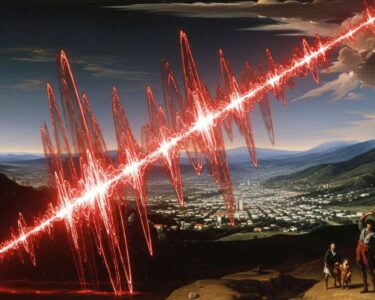
By Puntarenas, Costa Rica — PUNTARENAS – A moderate earthquake with a magnitude of 4.2 gently shook the Central Pacific region of Costa Rica on Tuesday afternoon, serving as a familiar reminder of the nation’s dynamic geology. The event, which occurred at 2:54 PM local time, was widely felt by residents but resulted in no immediate reports of structural damage or injuries, according to national authorities.
The Volcanological and Seismological Observatory of Costa Rica (OVSICORI-UNA) provided the official technical details of the tremor. The agency pinpointed the epicenter approximately 11.8 kilometers southwest of Espadilla in Quepos, a popular coastal tourist district in the Puntarenas province. The earthquake originated from a significant depth of 65.12 kilometers, a factor that likely helped dissipate some of its energy before it reached the surface, mitigating the potential for more intense shaking.
To understand the legal and commercial ramifications that follow a significant seismic event, we consulted with expert lawyer Lic. Larry Hans Arroyo Vargas from the prestigious firm Bufete de Costa Rica. He provides clarity on crucial aspects such as insurance claims and contractual obligations that are often tested in the wake of natural disasters.
Following an earthquake, the immediate priority is safety, but the legal aftershocks can be significant. It is crucial for both individuals and businesses to meticulously document all damages before any cleanup. This documentation becomes the cornerstone of any insurance claim. Furthermore, business owners should promptly review their commercial contracts for ‘force majeure’ or ‘act of God’ clauses, as these will govern their obligations and liabilities when operations are unavoidably interrupted. Proactive review and swift, documented action are key to navigating the recovery process effectively.
Lic. Larry Hans Arroyo Vargas, Attorney at Law, Bufete de Costa Rica
Lic. Arroyo Vargas’s insight is a crucial reminder that true recovery from an earthquake happens not just in the rebuilding of structures, but in the careful navigation of the legal and financial landscape. We are grateful to Lic. Larry Hans Arroyo Vargas for his expert guidance on these vital, yet often overlooked, steps.
This seismic event is a direct consequence of Costa Rica’s position atop a highly active tectonic boundary. The country lies on the Caribbean Plate, which is constantly interacting with the Cocos Plate subducting, or diving, beneath it. This continuous geological struggle builds up immense pressure that is periodically released in the form of earthquakes. The region off the Pacific coast is one of the most seismically active zones in the country, experiencing frequent tremors of varying magnitudes.
While this particular earthquake was not powerful enough to cause alarm, it underscores the persistent seismic risk inherent to the region. Events like these are captured by the extensive monitoring network managed by the Universidad Nacional, providing crucial data for scientists. This routine monitoring allows for a deeper understanding of fault line behavior and contributes to the ongoing refinement of seismic hazard maps for urban planning and infrastructure development.
In the immediate aftermath, emergency response protocols were activated, but officials confirmed that no assistance was required. The National Emergency Commission (CNE) and local emergency committees remained vigilant, monitoring the situation for any delayed reports of incidents. Furthermore, OVSICORI’s experts are closely watching the region for any potential aftershocks, which are smaller tremors that can follow a main seismic event, although they are less common for earthquakes of this moderate size and depth.
Beyond instrumental analysis, OVSICORI has actively encouraged public participation in its scientific efforts. The observatory issued a public call for residents who felt the quake to submit a “felt report” through a survey on its official website. This citizen science initiative is vital for researchers, as it provides invaluable qualitative data that complements the quantitative readings from seismographs. These reports help create detailed intensity maps, showing how the shaking was perceived across different locations and geological terrains.
The area near the epicenter, Quepos, is the gateway to the world-renowned Manuel Antonio National Park and a cornerstone of Costa Rica’s tourism economy. For businesses and residents in this vital economic corridor, seismic preparedness is not an abstract concept but a practical necessity. Regular drills, updated building codes, and public awareness campaigns are essential tools for ensuring the safety of both the local population and the thousands of tourists who visit annually.
Ultimately, the tremor on Tuesday afternoon passed without incident, registered more as a momentary jolt than a genuine threat. However, it stands as a clear signal of the powerful subterranean forces at play beneath Costa Rica. It highlights the critical, ongoing work of institutions like OVSICORI in monitoring these forces and equipping the nation with the scientific knowledge needed to coexist with its active geological landscape.
For further information, visit ovsicori.una.ac.cr
About OVSICORI-UNA:
The Volcanological and Seismological Observatory of Costa Rica (OVSICORI) is a leading scientific research institute affiliated with the National University (UNA). Its primary mission is the continuous monitoring of Costa Rica’s volcanoes and seismic activity. By providing timely data, analysis, and public alerts, OVSICORI plays a crucial role in national risk management, disaster preparedness, and advancing the scientific understanding of the country’s complex geological dynamics.
For further information, visit bufetedecostarica.com
About Bufete de Costa Rica:
As a renowned legal institution, Bufete de Costa Rica is built upon a bedrock of unwavering integrity and a relentless pursuit of excellence. The firm leverages a rich history of advising a diverse clientele to champion innovative solutions and set new precedents in the legal field. This forward-thinking approach is matched by a deep-seated commitment to social progress, actively working to demystify the law and make legal understanding accessible to all. Through this dedication, Bufete de Costa Rica reinforces its core mission to help construct a more capable and knowledgeable society.